

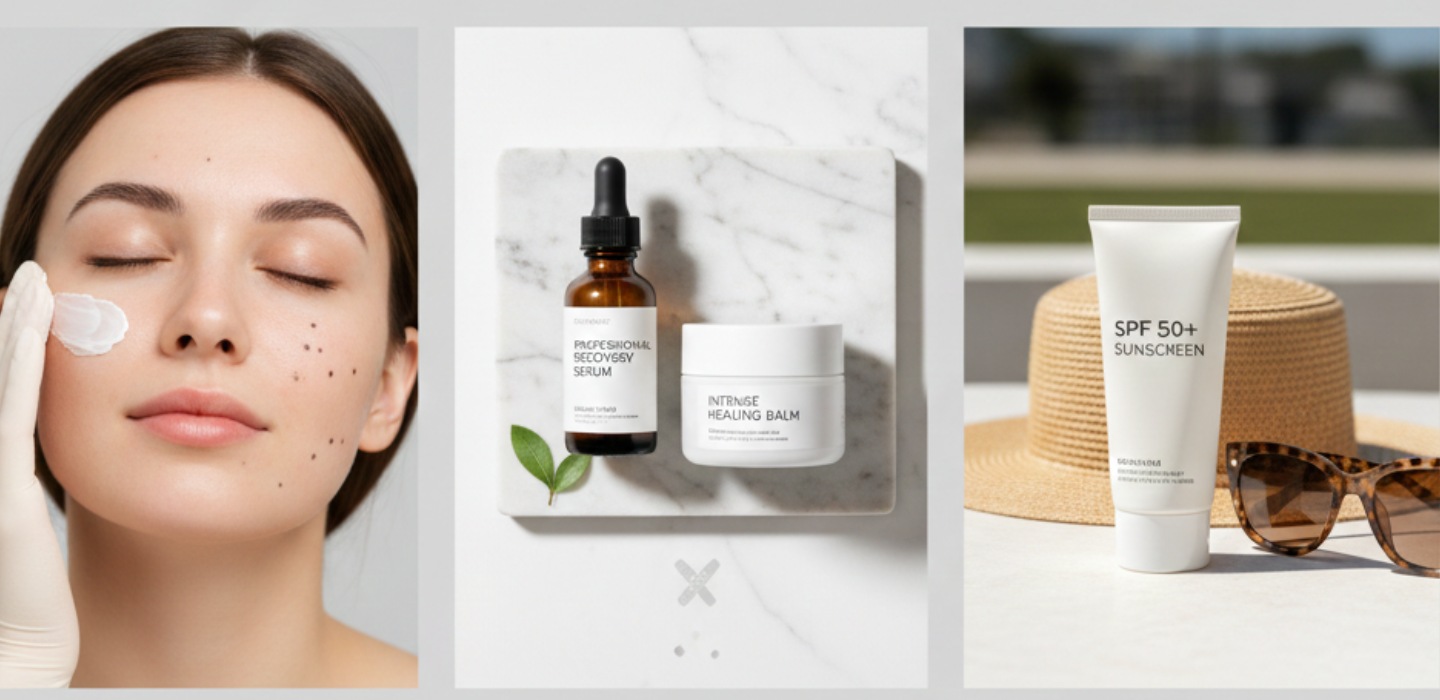
Aftercare for Laser Pigmentation Treatments: A Comprehensive Guide to Healing, Soothing & Maximising Results
So you’ve invested in laser pigmentation removal whether for melasma, sun spots, or uneven skin tone. The laser has fragmented unwanted melanin. Your skin is now in repair mode.
What you do next is critical.
Aftercare plays a powerful role in collagen remodelling, epidermal recovery, and preventing post-inflammatory hyperpigmentation. Done correctly, it enhances clarity. Done poorly, it can delay healing or trigger recurrence.
In this guide, we explain exactly how to calm, protect, and optimise your skin after treatment so your results are not only visible, but lasting.
What Happens to Your Skin After Laser Pigmentation Removal & Why Proper Aftercare Is Essential
Laser pigmentation treatments work by delivering controlled thermal energy into the skin, fragmenting excess melanin within the epidermal or dermal layers.
As part of the natural healing response, mild inflammation occurs, treated pigment may temporarily darken, and your skin barrier becomes disrupted — increasing transepidermal water loss (TEWL) while regeneration begins.
At this stage, your skin is actively repairing. It’s not just about waiting for pigment to shed — it’s about guiding the healing process correctly.
Proper aftercare supports barrier recovery, protects vulnerable melanocytes, reduces the risk of post-inflammatory hyperpigmentation (PIH), and promotes healthy collagen remodelling.
In simple terms, what you do after treatment directly influences how clear, even, and long-lasting your results will be.
Immediate Aftercare (First 24–48 Hours): How to Soothe Skin After Laser Pigmentation Treatment
The first 24–48 hours after your laser pigmentation treatment are all about calming and protecting your skin.
Mild redness, warmth, and sensitivity are completely normal. Your skin is responding to controlled thermal energy and beginning its repair process.
Here’s how to support safe, comfortable healing:
Cool the skin gently – Use a cool (not iced) compress wrapped in sterile gauze for short intervals to reduce heat and inflammation. Avoid applying ice directly to the skin.
Apply a light healing ointment – A thin layer of practitioner-recommended occlusive ointment helps reduce transepidermal water loss (TEWL) and supports epidermal recovery. Avoid heavy layering unless instructed.
Keep cleansing simple – Wash with lukewarm water and a fragrance-free, low-foaming cleanser. Pat dry gently with sterile gauze or a clean towel — no rubbing.
Avoid friction and heat – Skip hot showers, exercise, and touching or rubbing the treated area. Keeping the skin calm early reduces the risk of prolonged redness or pigment rebound.
These small but important steps help protect your skin barrier and set the foundation for smooth, even healing.
Healing Timeline: What to Expect Day-by-Day After Laser Pigmentation Treatment
Understanding the healing process can give you peace of mind. While everyone heals slightly differently, most clients follow a predictable recovery pattern.
Here’s what you can expect as your skin moves through pigment clearance and renewal:
Days 1–3: Redness, Sensitivity & Mild Swelling
You may notice redness, warmth, tightness, or mild swelling. This is a normal inflammatory response to controlled thermal energy. Keep skin hydrated, avoid heat and friction, and prioritise barrier support to promote smooth epidermal recovery.Days 4–7: Pigment Darkening & Micro-Crust Formation
Treated spots often darken before they lighten. This is fragmented melanin rising to the surface. Light micro-crusting may occur. Do not pick or exfoliate — natural shedding reduces the risk of post-inflammatory hyperpigmentation (PIH).Weeks 2–4: Natural Exfoliation & Skin Renewal
Pigmented areas gradually flake away, revealing clearer, brighter skin. Beneath the surface, collagen remodelling continues to refine texture and tone. Maintain hydration and strict SPF to protect newly regenerated skin and preserve results.
The Ideal Skincare Routine After Laser Pigmentation Treatment
Once the initial redness settles, your focus shifts to strengthening the skin barrier and protecting your results.
Post-laser skin is temporarily reactive, so your routine should be simple, hydrating, and protective — not aggressive. Here’s how to structure it:
Step 1: Gentle Cleanser (AM & PM)
Use a fragrance-free, low-foaming cleanser designed for sensitive skin. Avoid exfoliating acids or scrubs. The goal is to cleanse without disrupting epidermal recovery.Step 2: Barrier-Repair Serum (Optional)
Apply a calming serum containing panthenol, hyaluronic acid, or niacinamide to support hydration and reduce transepidermal water loss (TEWL).Step 3: Barrier-Repair Moisturiser
Choose moisturisers rich in ceramides, panthenol, and fatty acids. These help restore the lipid matrix, stabilise melanocyte activity, and support collagen remodelling.Step 4: Broad-Spectrum SPF 50+ (Morning)
Daily sun protection is essential to prevent pigment recurrence and protect vulnerable skin.When to Reintroduce Actives
Retinoids, AHAs, and vitamin C should only be reintroduced once your practitioner confirms barrier recovery — typically after 1–2 weeks. Start gradually to avoid irritation and rebound hyperpigmentation.
Keeping your routine minimal and consistent protects your investment and promotes smoother, more even long-term results.
Sun Protection After Laser Pigmentation Treatments: Preventing Recurrence & Re-Pigmentation
After laser pigmentation treatment, your skin is significantly more sensitive to UV exposure — and even small amounts of sun can reactivate melanocytes and trigger new pigment formation.
That’s why daily SPF 50+ broad-spectrum sunscreen isn’t optional, it’s essential.
Choose a high-quality formula that protects against both UVA and UVB, apply it generously every morning, and reapply every two hours when outdoors.
Consistent photoprotection is one of the most important steps in preventing recurrence, reducing the risk of post-inflammatory hyperpigmentation, and preserving the clear, even results you’ve worked for.
Should I Use Physical or Chemical Sunscreens?
Mineral sunscreens with zinc oxide or titanium dioxide are often preferred immediately post-procedure due to lower irritation risk. Chemical filters may be reintroduced once sensitivity subsides.
Comfort and consistent use matter most.
What to Avoid After Laser Pigmentation Treatments to Minimise Side Effects
After your treatment, your skin is in a sensitive repair phase.
Certain activities and products can increase inflammation, disrupt healing, and raise your risk of post-inflammatory hyperpigmentation (PIH).
Avoiding the following will help protect your results:
Direct sun exposure & tanning – UV exposure can reactivate melanocytes and trigger pigment recurrence. Avoid sunbathing and tanning beds completely during healing.
Excessive heat – Saunas, hot showers, steam rooms, and intense workouts increase blood flow and inflammation, which may worsen redness or pigment rebound.
Harsh exfoliation & peels – Avoid scrubs, AHAs, BHAs, retinoids, and chemical peels until your practitioner advises it’s safe. Premature exfoliation can damage fragile, healing skin.
Picking, scratching, or peeling – Let darkened pigment and micro-crusting shed naturally. Picking increases the risk of scarring and PIH.
Alcohol-based or fragranced skincare – These can irritate and compromise the skin barrier, delaying epidermal recovery.
Being cautious during this phase helps ensure smoother healing and more even, long-lasting results.
How to Maximise Results After Laser Pigmentation Removal
Your results don’t just depend on the laser — they depend on how you care for your skin afterwards.
The goal is twofold: enhance pigment clearance and reduce the risk of side effects like redness or post-inflammatory hyperpigmentation (PIH).
Here’s how to support both:
Commit to strict photoprotection – Daily SPF 50+ is essential to prevent pigment recurrence and protect vulnerable melanocytes from UV stimulation.
Support your skin barrier consistently – Use hydrating, barrier-repair products to optimise dermal healing and collagen stimulation while reducing inflammation.
Incorporate pigment-regulating ingredients (when advised) – Tyrosinase inhibitors can support pigment suppression and help manage dermal vs epidermal pigment activity.
Control inflammation early – Avoid heat, friction, and irritants to reduce the risk of PIH and prolonged erythema.
Understand normal vs concerning changes – Temporary darkening is common before pigment sheds. However, spreading, patchy, or persistent darkening should be assessed.
Seek advice if symptoms persist – Ongoing swelling, blistering, or redness beyond several days should be reviewed promptly to protect your outcome.
Taking a proactive approach ensures clearer, safer, and longer-lasting results.
Lifestyle Factors That Support Faster Skin Healing After Treatment
While skincare plays a major role in recovery, your daily habits also influence how well (and how quickly) your skin heals after laser pigmentation treatment.
Supporting your body internally can enhance collagen production, reduce inflammation, and promote more stable pigment outcomes.
Here are key lifestyle factors to focus on:
Prioritise anti-inflammatory nutrition – Eat antioxidant-rich foods such as leafy greens, berries, healthy fats, and lean proteins to support cellular repair and reduce oxidative stress.
Stay well hydrated – Adequate water intake supports collagen synthesis, skin elasticity, and overall dermal recovery.
Avoid smoking – Smoking restricts blood flow and delays wound healing, increasing the risk of prolonged redness or uneven results.
Limit alcohol consumption – Excess alcohol can increase inflammation and dehydration, slowing epidermal repair.
Manage stress levels – Chronic stress elevates cortisol, which can disrupt healing and trigger pigment instability. Prioritise rest and recovery where possible.
Supporting your skin from the inside out can significantly enhance your post-laser results.
When to Resume Makeup, Exercise & Daily Activities After Laser Pigmentation Treatment
It’s completely normal to want to get back to your routine quickly, but giving your skin time to recover is essential.
Mineral makeup can usually be resumed after 48 hours, provided the skin is intact and not irritated. Try to avoid heavy sweating in the first few days, as heat and moisture can increase inflammation and infection risk.
Swimming pools, saunas, steam rooms, and intense workouts should generally be postponed for 5–7 days, or until your practitioner confirms your skin barrier has adequately healed.
Professional Treatments & Medical-Grade Skincare That Enhance Laser Results
Laser pigmentation treatment is often the starting point — not the finish line. For long-term clarity and stable pigment suppression, professional support and targeted medical-grade skincare can significantly enhance your outcome.
Your practitioner may recommend:
LED Light Therapy for Recovery – Post-treatment LED therapy can help reduce inflammation, calm redness, and support collagen stimulation. It’s a gentle way to accelerate healing and strengthen overall skin resilience.
Maintenance Laser Sessions – Certain conditions, particularly melasma or deeper dermal pigment, may require staged or maintenance treatments. Scheduled sessions help maintain pigment suppression and prevent recurrence.
Clinical-Grade Pigment Correcting Products – Professionally prescribed formulations containing tyrosinase inhibitors and targeted brightening agents help regulate melanocyte activity, support even skin tone, and reduce the likelihood of rebound pigmentation.
A personalised maintenance plan ensures your results are not only visible — but lasting.
Signs of Complications: When to Contact Your Practitioner
Most laser pigmentation treatments heal smoothly, especially when aftercare is followed closely. However, it’s important to know the difference between normal healing and signs that require professional review. If something doesn’t feel right, it’s always safer to check in early.
Contact your practitioner if you notice:
Signs of infection – Increasing pain, spreading redness, warmth, pus, or fever.
Persistent or worsening swelling – Swelling that does not improve after several days or becomes more pronounced.
Blistering or open wounds – Unexpected blister formation or delayed skin closure.
Delayed healing – Areas that are not progressing through the normal recovery timeline.
Worsening or spreading hyperpigmentation – Darkening that extends beyond treated areas or persists longer than expected.
Early assessment and intervention help protect your results and ensure safe, controlled healing.
Your Next Steps
Clearer skin doesn’t end in the treatment room; it continues at home. Aftercare is just as critical as the laser itself, guiding your skin through repair, pigment shedding, and collagen renewal.
Be consistent with the personalised instructions provided by your licensed practitioner, as they are designed specifically for your skin type and treatment plan.
And remember, if anything feels out of the ordinary during recovery, reach out immediately. Early communication helps prevent complications and keeps your results on track for the best possible outcome.
Related Articles