

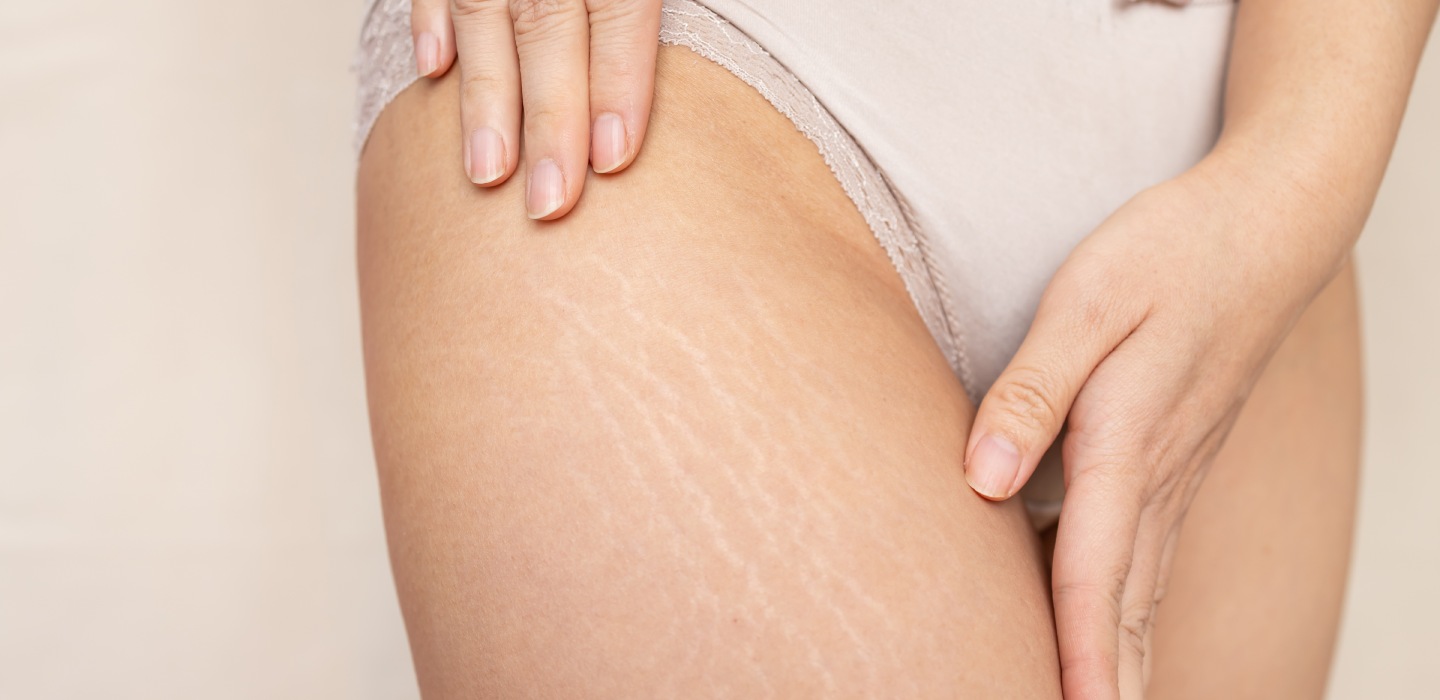
Stretch Mark Prevention: Tips and Skincare Advice
Worried about stretch marks before pregnancy, weight changes, or muscle gain? You’re not alone. Studies show that 50 to 90% of pregnant women develop them, and many teens notice them during growth spurts.
Here’s the truth: you cannot guarantee complete prevention. But you can reduce your risk and severity by strengthening your skin early. With the right hydration, nutrition, skincare, and lifestyle habits, your skin can adapt better to change.
Let’s walk through what actually works and how to apply it.
Why Stretch Marks Develop
Stretch marks, medically called striae distensae, form when the deeper skin layer (dermis) stretches faster than it can adapt.
Rapid Skin Expansion and Dermal Stress
Common triggers include:
Pregnancy
Rapid weight gain
Growth spurts
Fast muscle bulking
When stretching happens too quickly:
Collagen fibers weaken
Elastin loses flexibility
The dermis thins
The result is a visible line or streak on the skin.
Hormonal Influences on Collagen
Hormones affect collagen strength. Higher cortisol levels can reduce collagen integrity. This is one reason stretch marks are more common during:
Pregnancy
Puberty
Periods of chronic stress
Hormones don’t create stretch marks alone. They make the skin more vulnerable.
Genetic Predisposition
If your close family members developed stretch marks easily, your risk is higher.
Genetic influence:
Skin thickness
Collagen density
Elasticity
You cannot change genetics. But you can improve your skin’s resilience.
Hydration Strategies for Skin Elasticity
Hydrated skin is more flexible and better able to tolerate stretching. When the skin is dry, it becomes tight and less adaptable, which increases structural stress. In practice, I often notice that clients who maintain consistent hydration experience less surface tightness during periods of body change.
Daily Water Intake and Skin Function
General guidelines recommend:
Around 2 to 3 liters of water daily for most adults
Increased intake during pregnancy, exercise, or hot weather
Adequate hydration supports:
Blood circulation
Nutrient delivery to skin cells
Overall skin flexibility
Consistent water intake helps maintain internal moisture balance, which contributes to better elasticity over time.
Moisturizing to Support the Skin Barrier
Topical hydration strengthens the skin barrier and reduces water loss. A well-supported barrier improves softness and surface resilience.
Apply moisturizer:
After showering
Before bed
After swimming
Look for ingredients such as:
Hyaluronic acid
Ceramides
Glycerin
Shea butter
Our clinic tip: Apply body moisturizer while your skin is slightly damp. This helps seal in moisture and improves absorption.
Nutrition That Supports Collagen and Elasticity
Your skin cannot stay strong without proper nutrients. Collagen and elastin are built from what you eat. When your diet lacks key building blocks, the skin becomes thinner, less flexible, and slower to repair.
Protein and Amino Acids
Collagen is a protein made from amino acids. If protein intake is too low, collagen production declines and tissue repair slows.
Include:
Eggs
Fish
Lean meat
Beans and lentils
Extreme dieting or very low protein intake increases the risk of weakened skin structure.
Vitamin C and Antioxidants
Vitamin C plays a direct role in collagen synthesis. Without it, your body cannot properly form stable collagen fibers.
Good sources include:
Citrus fruits
Strawberries
Bell peppers
Broccoli
Consistent intake supports stronger connective tissue and better skin resilience.
Zinc and Essential Micronutrients
Zinc supports wound healing and tissue regeneration. It helps maintain normal skin repair processes.
Sources include:
Pumpkin seeds
Red meat
Chickpeas
Even mild deficiencies can affect healing efficiency.
Healthy Fats and Omega-3s
Omega-3 fatty acids help maintain the skin barrier and reduce dryness. A strong barrier improves flexibility and reduces surface irritation during stretching.
Sources include:
Salmon
Walnuts
Chia seeds
Balanced nutrition strengthens skin from within and improves its ability to adapt to change.
Evidence-Based Topical Ingredients
No topical product can guarantee prevention. Stretch marks form in the deeper dermis, which limits how much surface products can do. However, certain ingredients can improve hydration, support collagen function, and help the skin tolerate stretching better.
Hyaluronic Acid for Hydration
Hyaluronic acid attracts and holds water in the skin. Better hydration improves skin flexibility and reduces dryness-related tightness. Well-hydrated skin is more adaptable under mechanical stress.
Retinoids for Collagen Support (Non-Pregnancy Use)
Retinoids stimulate collagen production and increase skin cell turnover. They may help strengthen dermal structure over time. However, retinoids must not be used during pregnancy due to safety concerns. Always consult a provider before starting.
Centella Asiatica and Peptides
Centella Asiatica has been studied for its potential role in collagen synthesis and wound healing support. Peptides act as signaling molecules that may encourage repair pathways. While results vary, they can be useful as supportive ingredients in a prevention routine.
Emollients and Occlusives (Oils and Butters)
Cocoa butter, shea butter, and natural oils:
Improve softness
Reduce tightness
Support the skin barrier
These ingredients enhance comfort and hydration. They do not prevent stretch marks alone, but they help maintain a healthy surface environment that supports elasticity.
Managing Body Changes Gradually
Speed is a major factor in stretch mark development. The faster your body changes, the less time your skin has to adapt. Gradual adjustments allow collagen and elastin fibers to remodel more effectively under tension.
Safe Weight Gain and Loss Practices
Rapid weight gain or aggressive dieting places sudden stress on the dermis. Large fluctuations increase the likelihood of collagen tearing.
Aim for steady, controlled progress. Gradual changes give your skin time to stretch and adjust without overwhelming its structural support.
Pregnancy Weight Monitoring
During pregnancy, weight gain is natural and necessary. However, following your OB’s recommended range helps reduce excessive strain on the abdomen, hips, and breasts.
Balanced nutrition and steady gain support both your health and your skin’s adaptability.
Muscle Building Without Rapid Bulking
In my experience, rapid bulking is a common trigger. I once worked with a client who gained 15 pounds in three months during intense training. Stretch marks appeared across his shoulders. After adjusting to slower muscle growth phases, his skin handled expansion better.
Pacing matters. Skin adapts best when growth is progressive, not sudden.
Lifestyle Habits That Protect Skin Structure
Your daily habits directly influence collagen strength, circulation, and skin repair. Even the best skincare products cannot compensate for damaging lifestyle patterns.
Avoiding Smoking
Smoking constricts blood vessels and reduces oxygen delivery to the skin. Poor circulation limits nutrient supply and slows repair. Over time, smoking accelerates collagen breakdown and weakens elasticity. Healthier blood flow supports stronger, more resilient skin.
Managing Chronic Stress
Chronic stress increases cortisol levels. Elevated cortisol can interfere with collagen production and weaken connective tissue.
Supportive habits include:
Consistent sleep of 7 to 9 hours
Moderate exercise to improve circulation
Stress management practices such as breathing exercises or mindfulness
Lower stress levels help maintain hormonal balance and skin integrity.
Protecting Skin from UV Damage
Ultraviolet radiation breaks down collagen and elastin fibers. Repeated exposure reduces skin strength over time.
Protect your skin by using:
Broad spectrum SPF 30 or higher daily
Protective clothing when outdoors
Long-term UV protection helps preserve collagen structure and reduce overall skin fragility.
When to Start Preventive Care
Start before major body changes puts stress on your skin. Prevention is most effective when the skin is supported early, not after stretch marks appear.
Ideal times to begin include:
Early pregnancy, when hormonal shifts and gradual weight gain begin
Before starting a weight gain or weight loss program
During puberty, when growth spurts can stretch the skin quickly
Early care helps maintain elasticity, strengthen the skin barrier, and reduce structural strain as your body changes.
Can Stretch Marks Be Completely Prevented?
No method can guarantee complete prevention. Stretch marks are influenced by genetics, hormones, and how quickly the skin stretches. These factors are not fully controllable.
However, you can lower your risk by strengthening your skin before and during body changes. Consistent hydration, balanced nutrition, gradual weight changes, and supportive skincare can:
Improve skin elasticity
Reduce the depth and width of stretch marks
Support faster fading if they appear
The goal is not perfection. It is a risk reduction and healthier skin adaptation.
A Practical Daily Prevention Routine
Consistency makes the difference. A simple, structured routine supports hydration, protects collagen, and helps skin adapt to stretching over time.
Morning Routine
Drink water to support skin hydration from within
Apply body moisturizer to reinforce the skin barrier
Use broad-spectrum sunscreen on exposed areas to protect collagen from UV damage
Morning protection focuses on prevention and environmental defense.
Evening Routine
Cleanse gently to remove sweat and buildup without stripping the skin
Apply a richer moisturizer to restore hydration overnight
Massage high-risk areas such as the abdomen, thighs, hips, and chest
Massage may improve circulation and enhance product absorption while helping you monitor skin changes early.
When to Seek Professional Advice
If early red stretch marks, also called striae rubra, begin to appear, this is the best time to seek professional advice. At this stage, the skin is still actively remodeling, which means treatments can be more responsive.
Options may include:
Microneedling to stimulate collagen production
Laser therapy to target redness and support skin repair
The sooner treatment begins, the better the potential improvement. Waiting until stretch marks turn white often makes results more gradual and limited.
Final Thoughts on Long-Term Skin Resilience
Stretch marks are common during pregnancy, puberty, or body changes. They are not a flaw. What makes a real difference is consistency through proper hydration, balanced nutrition, gradual change, and daily skincare. Prepared skin adapts better to stress and stretching.
While you cannot control genetics, you can strengthen your skin’s resilience. At Hailey’s Hair Removal and Aesthetics, we provide personalized skincare guidance and early treatment options to help you protect and support your skin with confidence.
Related Article