

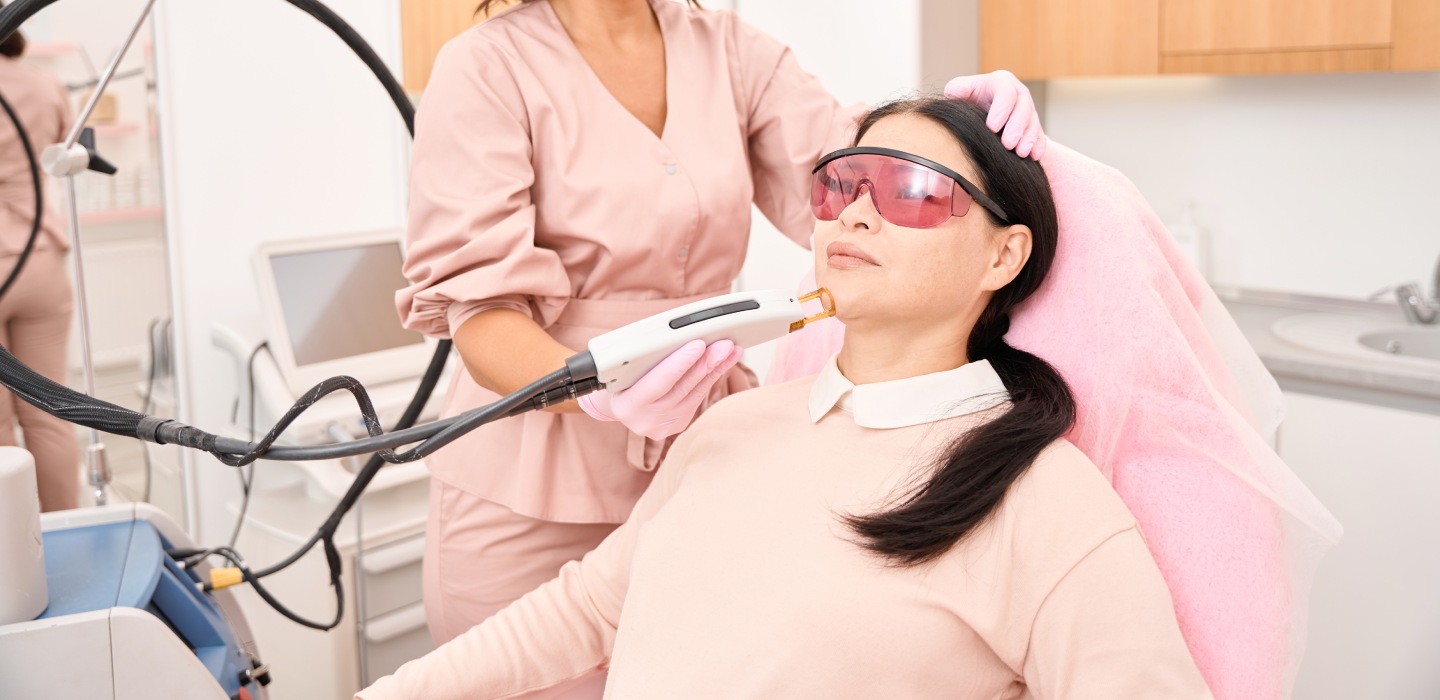
Can Laser Hair Removal Help with Ingrown Hairs in PCOS?
If you have PCOS and deal with constant shaving, painful bumps, or dark marks after hair removal, you’re not alone. Ingrown hairs are extremely common in people with hormonally driven hair growth.
Here’s the honest answer: laser hair removal can significantly reduce ingrown hairs in PCOS, but it works by reducing hair growth over time rather than curing the hormonal cause.
Many of the women we see aren’t just frustrated with hair growth. They’re dealing with red bumps, irritation, and hyperpigmentation caused by ingrown hairs, especially on the chin, jawline, and bikini area.
In this guide, we’ll explain why PCOS increases ingrown hairs, how laser hair removal helps, and what kind of improvement you can realistically expect.
Why Ingrown Hairs Are Common in PCOS
PCOS creates the perfect conditions for ingrown hairs.
Two things usually happen at the same time:
Hair becomes thicker and coarser due to hormones
Frequent hair removal irritates the skin
When those factors combine, hairs are more likely to get trapped under the skin instead of growing outward.
Hormonal Hair Growth and Thicker Hair
Hormones play a major role in how hair grows. Higher androgen levels, sometimes called male-type hormones, can stimulate hair follicles in certain areas of the body.
Common areas include:
Chin
Upper lip
Jawline
Neck
Chest
Lower abdomen
This type of growth is known as hirsutism, or excess coarse hair growth.
The hair often appears:
Thicker
Darker
Faster growing
Coarse hair behaves differently from fine hair. It’s more likely to curl or bend as it grows, which increases the risk of the hair re-entering the skin and becoming ingrown.
Frequent Hair Removal Increases Ingrown Risk
Most women with PCOS remove hair often. Some shave daily. Others wax every few weeks.
But frequent hair removal can create conditions that lead to ingrown hairs.
For example:
Shaving creates sharp hair tips
Waxing can irritate follicles
Repeated removal can damage the follicle opening
Over time, the hair may struggle to grow through the skin surface. Instead, it curls inward.
I’ve personally seen this many times in practice. One patient told me she shaved her chin every morning and by evening had both stubble and small bumps forming. Those bumps were ingrown hairs caused by the constant cycle of regrowth and shaving.
Areas Where Ingrown Hairs Are Most Common
Ingrown hairs tend to appear where coarse hair growth and friction combine.
Common areas include:
Chin and jawline
Neck
Bikini line
Inner thighs
Chest
Lower abdomen
The bikini area and inner thighs are especially prone to ingrown hairs because tight clothing and friction can push hairs back into the skin.
What Happens When a Hair Becomes Ingrown
An ingrown hair happens when a growing hair fails to exit the skin properly.
Instead of growing outward, the hair curls back into the skin.
How Ingrown Hairs Form
The process usually looks like this:
Hair is shaved, waxed, or plucked
The hair grows back with a sharp or curved tip
The hair bends sideways or curls inward
The hair becomes trapped under the skin
Once trapped, the body treats the hair as a foreign object.
This triggers inflammation.
Common Symptoms of Ingrown Hairs
Ingrown hairs can look different depending on the skin type and area of the body.
Typical symptoms include:
Red bumps
Tender or itchy skin
Small pus-filled bumps
Dark marks or hyperpigmentation
Persistent irritation
For people with PCOS, these bumps can become chronic because new hair keeps growing.
Some patients describe a cycle where one ingrown hair heals, then another appears days later.
How Laser Hair Removal Helps Reduce Ingrown Hairs
Laser hair removal helps break the cycle that causes ingrown hairs.
Instead of repeatedly removing hair at the surface, laser treatments target the follicle itself.
Laser energy damages the follicle responsible for hair growth. Over time, fewer hairs grow back.
Laser Reduces Hair Density
The first major benefit is fewer active hair follicles.
After several sessions, patients usually notice:
Less overall hair
Slower regrowth
Longer time between shaving
With fewer hairs trying to grow through the skin, the chances of a hair becoming trapped decrease.
Laser Makes Hair Finer
Even when some hair regrows, it usually becomes finer and softer.
That change matters.
Fine hair is far less likely to:
curl into the skin
cause irritation
form inflamed bumps
This is one reason many dermatologists recommend laser hair removal specifically for recurrent ingrown hairs.
Laser Reduces the Shaving Cycle
Another major benefit is less frequent hair removal.
Many of our patients tell us the biggest relief is not having to shave every day.
When shaving becomes occasional rather than constant, the skin has time to recover. This reduces irritation and lowers the chance of new ingrown hairs forming.
How Effective Is Laser for Ingrown Hairs in PCOS?
Laser hair removal can make a big difference for ingrown hairs, but expectations should stay realistic.
PCOS is a hormonal condition. That means new follicles can still become active over time.
However, many patients experience clear improvements.
Expected Improvements Over Time
After several sessions, many people notice:
fewer ingrown hairs
smoother skin
less irritation
lighter or fewer dark marks
less frequent shaving
One patient we treated had severe ingrown hairs along the bikini line from years of waxing. After six laser sessions, the bumps stopped appearing, and the skin tone began to even out.
Her biggest comment was simple:
“I finally stopped worrying about bumps every time I wore a swimsuit.”
Why PCOS May Require More Sessions
People without hormonal conditions typically need about 6–8 laser sessions.
With PCOS, treatment plans are often longer.
Many patients require:
8–12 sessions
occasional maintenance treatments
This doesn’t mean the treatment isn’t working. It simply reflects the ongoing hormonal influence on hair follicles.
The goal is long-term reduction and control, not complete permanent removal.
Additional Treatments That Help Prevent Ingrown Hairs
Laser hair removal can significantly reduce ingrown hairs. However, good skin care habits help improve results and keep the skin calm between sessions.
Small changes in how you care for your skin can reduce irritation, keep follicles clear, and lower the chances of new ingrown hairs forming.
Gentle Exfoliation
Dead skin cells can build up on the surface of the skin and block hair from growing outward. When this happens, the hair may curl back into the skin and become ingrown.
Gentle exfoliation helps remove this buildup and keeps follicles clear.
Options include:
AHA exfoliants (glycolic acid)
BHA exfoliants (salicylic acid)
Mild physical exfoliation
However, exfoliation should always be gentle, especially if you are undergoing laser hair removal. Over-exfoliating can irritate the skin and make it more sensitive.
Proper Shaving Techniques
If you need to shave between laser sessions, using the right technique can help prevent irritation and trapped hairs.
Simple habits can make a big difference:
Use a sharp, clean razor
Shave in the direction of hair growth
Avoid dry shaving
Apply a soothing shaving gel or cream
These steps help reduce friction and prevent hair from being cut in a way that encourages it to grow back into the skin.
Treat Existing Ingrown Hairs Safely
It can be tempting to squeeze or dig out an ingrown hair. Unfortunately, this often makes things worse.
Picking at the skin can lead to:
Scarring
Infection
Hyperpigmentation
Instead, safer approaches include:
Using warm compresses to soften the skin
Applying gentle exfoliation
Using topical treatments designed for ingrown hairs
Seeking professional extraction if the hair is deeply trapped
Treating ingrown hairs gently helps the skin heal and prevents long-term marks or irritation.
When to Consider Laser Hair Removal for PCOS Ingrown Hairs
Laser hair removal is often recommended when ingrown hairs become a frequent or ongoing problem, especially if shaving or waxing keeps irritating the skin.
With PCOS, hair tends to be thicker and grow back quickly. Many people end up removing hair often, which increases the risk of trapped hairs, inflammation, and dark marks. Over time, this cycle can make ingrown hairs more persistent.
You may benefit from laser hair removal if you experience:
Constant ingrown hairs that return in the same areas
Dark marks or hyperpigmentation after hair removal
Irritation or razor burn from shaving or waxing
Frequent bumps along the jawline or bikini area
Instead of constantly managing the symptoms, laser treatment targets the follicle itself, gradually reducing hair growth and lowering the chances of new ingrown hairs forming.
Final Takeaway: Laser Can Significantly Reduce PCOS-Related Ingrown Hairs
Ingrown hairs are a common challenge with PCOS due to coarse hair growth and frequent hair removal. This often leads to recurring bumps and irritation.
Laser hair removal helps by reducing hair density, making regrowth finer, and lowering the need for constant shaving. While PCOS may require additional sessions and occasional maintenance, many patients see fewer ingrown hairs and smoother skin.
If ingrown hairs have become a constant issue, a personalized consultation can help determine whether laser treatment is the right solution for your skin and hair type.
Related Articles