

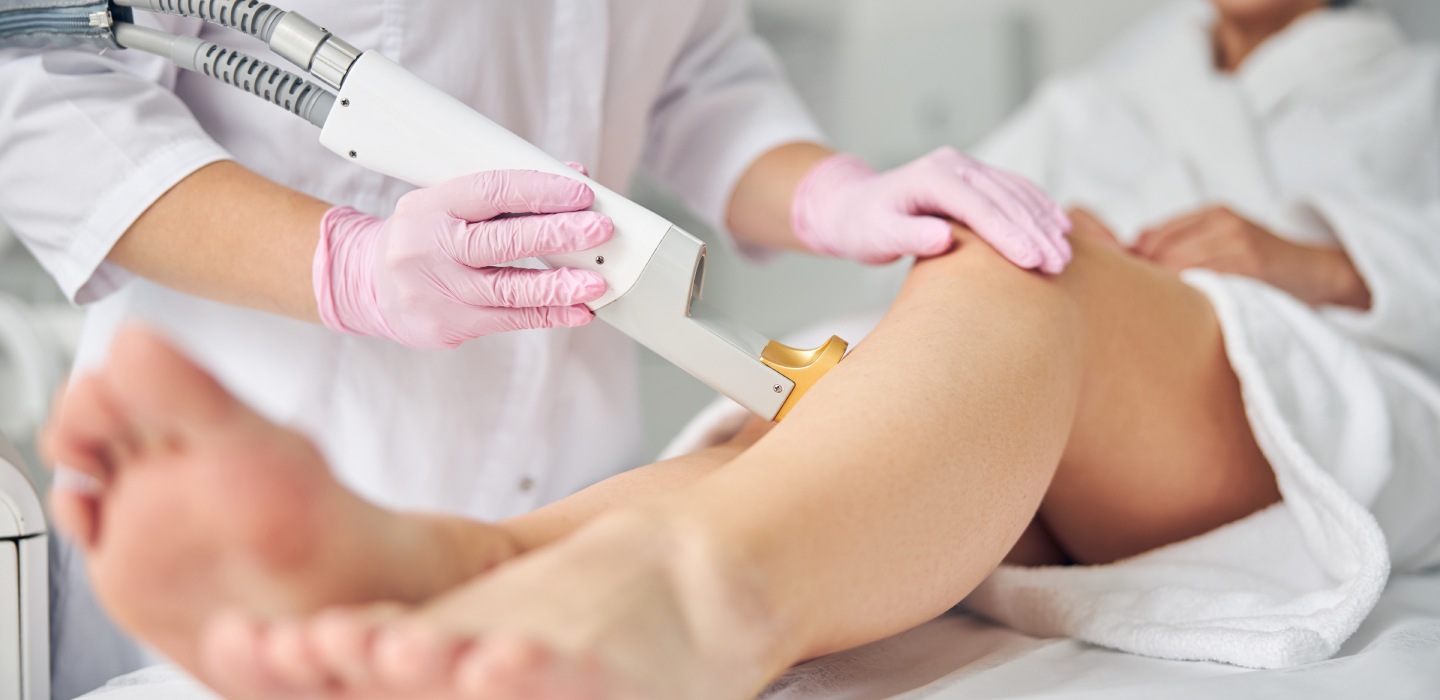
Impact of Medications (Spironolactone, Birth Control) on Laser Hair Removal Results
If you’re taking medications like spironolactone or hormonal birth control for PCOS, you may wonder whether they affect your laser hair removal results. It’s a common question for people trying to manage hormonally driven hair growth.
The good news is that most PCOS medications do not interfere with laser treatments. In many cases, they may even support better outcomes by slowing the hormonal signals that stimulate new hair growth.
In this guide, we explain how medications like spironolactone and birth control interact with laser hair removal. We also cover what you can realistically expect when combining both treatments.
Why Medications Matter in Laser Hair Removal Results
Laser hair removal targets pigment in the hair shaft and damages the follicle to reduce future growth. However, PCOS-related hair is driven by hormones, which can continue stimulating new follicles over time. Because of this, medications that regulate hormones can help improve and stabilize long-term laser results.
The Hormonal Root of PCOS Hair Growth
PCOS increases levels of androgens, sometimes called male-type hormones. These hormones stimulate hair follicles in androgen-sensitive areas such as:
-
Chin
-
Upper lip
-
Jawline
-
Neck
-
Chest
-
Lower abdomen
As a result, many women develop hirsutism, or excess hair growth in areas where hair is typically finer.
Patients often notice that the hair:
-
grows quickly
-
feels thicker or darker
-
returns soon after shaving or waxing
Laser treatments can significantly reduce existing hair. However, because hormones may continue activating new follicles, medical management is often needed to help control the underlying trigger and support long-term results.
The Role of Medical Treatment in Managing Hirsutism
Doctors often prescribe medications to help regulate androgen levels and reduce hormonal stimulation of hair follicles. These medications may:
-
reduce androgen production
-
block androgen activity
-
stabilize hormone fluctuations
When medication is combined with laser hair removal, each treatment targets a different part of the problem.
|
Treatment |
What It Targets |
|---|---|
|
Laser hair removal |
Existing hair follicles |
|
PCOS medication |
Hormonal stimulation of new follicles |
By addressing both the existing hair and the hormonal cause, this combined approach often leads to more stable and longer-lasting hair reduction.
Spironolactone and Laser Hair Removal
One of the most commonly prescribed medications for PCOS-related hair growth is spironolactone. It is frequently used when excess hair is driven by elevated androgen levels.
What Spironolactone Does for PCOS Hair Growth
Spironolactone is an anti-androgen medication. It works by blocking androgen receptors and reducing the effect of testosterone on hair follicles.
Doctors commonly prescribe it for:
-
PCOS
-
hormonal acne
-
hirsutism
Clinical references such as Medscape dermatology guidelines note that spironolactone can reduce hair thickness and slow growth over time. For many patients, this helps interrupt the cycle of rapid regrowth that makes PCOS hair difficult to manage.
Does Spironolactone Interfere With Laser Hair Removal?
No. Spironolactone does not prevent laser hair removal from working.
In fact, many dermatologists recommend combining both treatments because they address different parts of the hair growth process.
-
Laser destroys follicles that are actively producing hair.
-
Spironolactone reduces hormonal stimulation that activates new follicles.
When used together, this combination can lead to more stable and longer-lasting hair reduction.
Timing Laser Treatments While Taking Spironolactone
Some providers recommend waiting a few months after starting spironolactone before beginning laser treatments. This allows time for hormone levels and hair growth patterns to stabilize.
A typical approach may include:
-
Start spironolactone
-
Allow several months for hormonal stabilization
-
Begin laser hair removal sessions
This timing can help laser treatments target follicles more effectively and consistently.
Birth Control Pills and Laser Hair Removal
Hormonal birth control is another medication commonly prescribed for people with PCOS. It helps regulate hormone levels, which can play an important role in managing excess hair growth.
How Birth Control Helps Manage PCOS Hair
Combination birth control pills help balance hormones by:
-
lowering androgen production
-
increasing sex hormone-binding globulin (SHBG)
-
reducing free testosterone levels in the bloodstream
These hormonal changes can lead to:
-
slower hair growth
-
finer hair texture
-
reduced activation of new hair follicles
For many individuals with PCOS, birth control becomes an important part of long-term symptom management, including controlling unwanted hair growth.
Can Birth Control Improve Laser Hair Removal Results?
In many cases, yes. When hormone levels are more stable, laser hair removal tends to work more predictably.
Many clinics combine birth control with laser treatments because the medication helps limit new follicle activation while laser targets existing hair. This combination can result in:
-
slower regrowth
-
fewer maintenance sessions
-
smoother skin over time
Other PCOS Medications and Their Effects on Laser
Spironolactone and birth control are the most commonly discussed treatments for PCOS-related hair growth. However, they are not the only medications used to manage the condition. Some medications affect hormones or metabolism, which can indirectly influence hair growth patterns and laser treatment outcomes.
Metformin
Metformin is often prescribed to treat insulin resistance, a common metabolic issue in people with PCOS. While it does not directly target hair follicles, it can improve the hormonal environment that contributes to excess hair growth.
Metformin may help by:
-
improving insulin regulation
-
indirectly lowering androgen production
Because androgens play a key role in stimulating hair follicles, some patients notice slower or reduced hair growth over time. Laser treatments can generally be performed safely while taking metformin.
Medications That May Affect Laser Safety
Although most PCOS medications are safe during laser hair removal, some drugs can increase skin sensitivity to light. This may raise the risk of side effects during treatment.
Examples include:
-
isotretinoin (Accutane)
-
tetracycline antibiotics
-
certain antidepressants
-
other photosensitizing medications
These medications can increase the risk of:
-
skin irritation
-
burns
-
pigmentation changes
For safety, always discuss any medications you are taking during your consultation. This allows your provider to adjust treatment settings or timing if necessary.
What Results to Expect When Combining Medication and Laser
For many patients with PCOS, the best results come from combining hormonal medication with laser hair removal. Each treatment targets a different part of the hair growth process, which is why they often work better together.
Why Combination Treatment Works Better
Medication and laser address different causes of unwanted hair.
Medication helps by:
-
reducing hormonal triggers
-
slowing activation of new follicles
Laser helps by:
-
damaging active follicles
-
reducing existing hair growth
When used together, patients often experience:
-
faster hair reduction
-
slower regrowth
-
better long-term control
Realistic Expectations for PCOS Patients
Even with medication, PCOS remains a hormonal condition. This means some follicles may still reactivate over time.
Because of this, many patients need occasional maintenance sessions after their initial treatments. Laser hair removal should be viewed as long-term hair reduction rather than a permanent cure.
That said, many patients notice a major difference in their daily routine. Regrowth is often finer, slower, and easier to manage, which can greatly improve comfort and confidence
What to Tell Your Laser Provider About Your Medications
Before starting laser hair removal, it’s important to share your full medical and medication history with your provider. Certain medications can influence hormones, skin sensitivity, or hair growth patterns, which may affect how your treatment is planned.
Important Information to Share
During your consultation, make sure to tell your provider about:
-
Medications you currently take (such as spironolactone, birth control, or metformin)
-
Hormonal conditions, including PCOS
-
Recent medication changes, especially new prescriptions
-
Skin sensitivity issues or reactions to light-based treatments
Being transparent helps your provider understand how your skin and hair may respond to laser.
How This Information Helps Your Treatment
Your provider uses this information to safely adjust:
-
Laser settings based on skin sensitivity
-
Treatment timing depends on medication changes
-
Safety precautions to reduce the risk of irritation or pigmentation issues
When we understand your medical background, we can tailor the treatment more precisely. A personalized plan almost always leads to safer sessions and better long-term results.
Tips From Our Clinic for Better Laser Results
If you’re taking medication for PCOS and considering laser hair removal, these tips can help improve outcomes.
1. Stay consistent with treatments
Laser works best when sessions follow the hair growth cycle.
2. Continue prescribed medication
Stopping hormonal treatment may trigger new hair growth.
3. Avoid plucking between sessions
Shaving is fine, but plucking removes the follicle laser needs to target.
4. Be patient with the process
Hormonal hair often takes longer to stabilize than typical hair growth.
With consistent sessions and proper hormonal management, many patients see smoother skin and slower regrowth over time.
Final Takeaway: Medications and Laser Often Work Together
If you’re taking spironolactone, birth control, or other PCOS medications, you can still benefit from laser hair removal. In many cases, these medications actually support better results by controlling the hormonal triggers behind excess hair.
When combined with proper hormonal management, laser treatments can lead to:
-
meaningful hair reduction
-
slower regrowth
-
easier long-term maintenance
If you’re considering treatment, book a consultation with us. We can assess your hair pattern, skin type, and medications to create a plan tailored to you.
Related Articles