

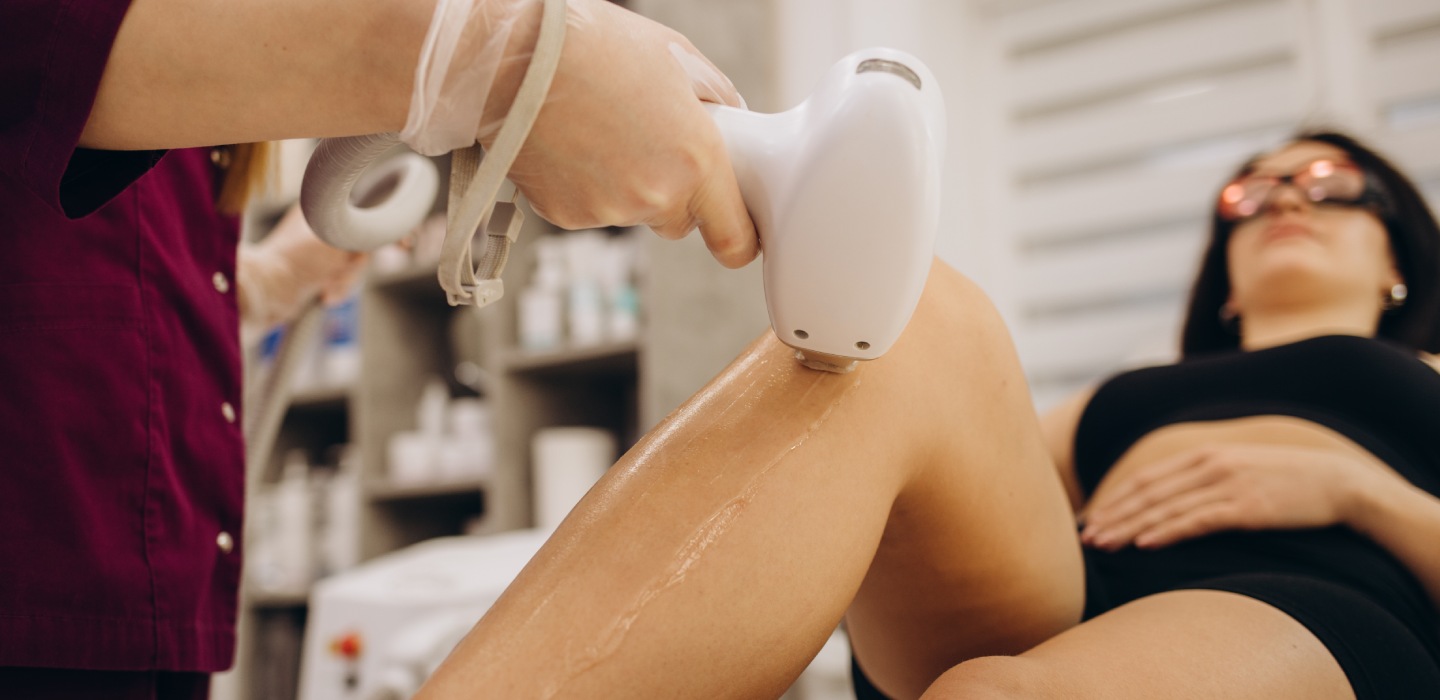
How Many Laser Sessions Do You Need for PCOS-Related Hair?
PCOS hair can feel relentless. You shave or wax, and it seems to grow back just as quickly. Many women with polycystic ovary syndrome (PCOS) deal with thicker, faster-growing hair on areas like the chin, jawline, chest, or abdomen.
So how many laser sessions does it actually take? Most people without hormonal conditions need 6–8 sessions, but PCOS patients often require 8–12 sessions or more, followed by occasional maintenance because hormones can keep activating new follicles.
In this guide, we’ll explain why PCOS hair often requires more treatments and what a typical laser plan looks like. We’ll also cover what results you can realistically expect over time.
Why PCOS Hair Responds Differently to Laser Hair Removal
Laser hair removal works well for many people. However, PCOS-related hair growth behaves differently, and understanding why helps set realistic expectations.
The Role of Androgens in PCOS Hair Growth
PCOS often increases levels of androgens, sometimes called male-type hormones. These hormones stimulate hair follicles in areas that are sensitive to androgen activity.
Common areas include:
Chin
Upper lip
Jawline
Neck
Chest
Lower abdomen
This type of excess hair growth is called hirsutism, and studies suggest that over70% of women with PCOS experience it.
Hair in these areas often appears:
Thicker
Darker
Faster growing
Laser treatments can reduce this hair effectively. However, because hormones continue stimulating follicles, treatment plans for PCOS are usually longer.
Why Hormones Can Trigger New Hair Follicles
Laser hair removal targets existing active follicles. The laser energy damages the follicle so it can no longer produce strong hair.
However, PCOS hormones may activate previously dormant follicles.
This means:
Some follicles respond immediately to treatment
Others become active later due to hormonal stimulation
Because of this, PCOS patients may need more sessions and occasional maintenance treatments.
Typical Laser Hair Removal Treatment Plans
Laser treatments are never completed in one session. Hair grows in cycles, and the laser only works during a specific stage.
Why Multiple Sessions Are Necessary
Hair grows in three phases:
Phase | Description | Laser Effectiveness |
|---|---|---|
Anagen | Active growth phase | Laser works best |
Catagen | Transition phase | Laser less effective |
Telogen | Resting phase | Laser ineffective |
Only a portion of hair is in the anagen phase at any time. This is why treatments must be repeated.
Sessions are spaced out so new hairs enter the active phase.
Standard Treatment Plans for Most Patients
For people without hormonal conditions, a typical treatment plan includes:
6–8 sessions
spaced 4–6 weeks apart for facial areas
spaced 6–8 weeks apart for body areas
This schedule allows the laser to gradually target follicles during each growth cycle.
Many patients see a noticeable reduction by the third or fourth session.
How Many Sessions PCOS Patients Usually Need
One of the most common questions PCOS patients ask is how many laser sessions are needed before seeing meaningful results. Because PCOS-related hair growth is hormonally driven, treatment plans are often slightly longer than standard laser hair removal programs.
Average Session Range for PCOS Hair
For many PCOS patients, achieving noticeable and stable reduction requires more sessions than average. Typical treatment ranges include:
8–12 sessions for significant hair reduction
12 or more sessions for stubborn or hormonally active areas
The exact number varies depending on several factors, including:
Hormone levels
Hair thickness and density
Skin tone
Treatment area
Laser technology used
In our experience treating patients with hormonal hair growth, many begin seeing substantial reduction after around 9–10 sessions, although individual results can vary.
Facial vs Body Areas
PCOS does not affect all areas of the body equally. Hormone-sensitive areas, particularly on the face, often require more attention.
Facial areas
Facial hair tends to respond more slowly because these follicles are highly sensitive to androgen stimulation. Common treatment areas include:
Chin
Upper lip
Jawline
Neck
These areas often require:
More treatment sessions
Occasional maintenance treatments
Body areas
Body areas usually stabilize faster because they are less hormonally reactive. Common treatment areas include:
Underarms
Chest
Lower abdomen
Legs
Many patients notice quicker and more consistent results in these areas compared to facial hair.
What Results PCOS Patients Can Realistically Expect
Laser hair removal can make a meaningful difference for people with PCOS. However, it’s important to approach treatment with realistic expectations. Because PCOS hair growth is hormonally driven, the goal is long-term reduction and easier management, not a permanent cure.
Reduction vs Permanent Removal
Laser hair removal works by damaging active hair follicles, which reduces their ability to grow hair over time. Most patients experience noticeable improvements such as:
Fewer hairs growing back
Slower regrowth
Thinner hair
Less visible stubble
While results can be significant, laser treatments do not address the hormonal cause of PCOS. Instead, they help control the visible effects of excess hair growth.
How Hair Changes Over Time
Results usually appear gradually as treatments progress through the hair growth cycle. After several sessions, many patients notice:
Slower regrowth between sessions
Patchier hair growth
Finer, softer hair texture
Less frequent shaving or maintenance
For example, one patient we worked with shaved every day before starting treatment. After her eighth session, she only needed to shave once every few weeks. For many people with PCOS, that kind of change can make daily routines much easier.
Maintenance Sessions for PCOS Hair Growth
Laser hair removal can significantly reduce PCOS-related hair, but hormonal activity does not stop completely. Because PCOS can continue stimulating new follicles over time, maintenance sessions are a normal part of long-term hair management.
Why Maintenance Treatments Are Needed
Laser treatments weaken and disable many active follicles. However, hormonal fluctuations may activate new dormant follicles months or years later.
Maintenance sessions help treat these new hairs early, keeping growth lighter and easier to control.
Typical Maintenance Schedule
Most PCOS patients benefit from:
1–3 maintenance sessions per year
Facial areas such as the chin, upper lip, and jawline may require maintenance slightly more often because they are more hormonally sensitive than most body areas.
The good news is that maintenance treatments are usually quick and straightforward, since the hair density is already much lower than before the initial treatment series.
Factors That Influence How Many Sessions You’ll Need
The number of laser sessions for PCOS varies from person to person. Hair thickness, hormonal activity, skin tone, and the laser technology used can all influence the rate at which follicles respond to treatment.
Skin Tone and Hair Color
Laser hair removal works by targeting melanin (pigment) in the hair shaft. The greater the contrast between hair color and skin tone, the easier it is for the laser to focus energy on the follicle.
Laser typically works best on:
Dark hair
Light to medium skin
Modern technologies can safely treat a wider range of skin tones, but strong pigment contrast still tends to produce faster and more effective results.
Hormonal Control
Because PCOS hair growth is hormonally driven, managing underlying hormone activity can help stabilize results and reduce ongoing stimulation of hair follicles.
Some patients may use treatments such as:
Hormonal birth control
Anti-androgen medications like spironolactone
These treatments can help slow hair growth and reduce thickness over time. When hormonal management is combined with laser hair removal, many patients see more stable and longer-lasting results.
Laser Technology Used
The type of laser used can also affect treatment efficiency and safety.
Common laser systems include:
Alexandrite (755 nm)
Diode (800–810 nm)
Nd:YAG (1064 nm)
For medium to darker skin tones, Nd:YAG lasers are often preferred because they penetrate deeper and reduce the risk of pigmentation changes.
At our clinic, we evaluate skin tone, hair thickness, and hormonal history before recommending a treatment plan to ensure the safest and most effective results.
Tips for Getting the Best Results with PCOS
Laser hair removal is most effective when treatments are consistent, and the hair follicle is properly targeted. Because PCOS hair growth is hormonally driven, small habits between sessions can make a noticeable difference in your results.
Our practical tips:
Stick to the recommended treatment schedule
Avoid waxing or plucking between sessions
Shave instead if needed
Follow aftercare instructions carefully
Discuss hormonal management with your doctor
Consistency matters. Missing sessions can slow progress and delay visible reduction.
Final Takeaway: PCOS Requires More Sessions, but Results Are Worth It
PCOS-related hair can be stubborn, but laser hair removal can make it much easier to manage. Most patients need 8–12 sessions, with 1–3 maintenance treatments per year to keep results stable. Over time, hair typically becomes thinner, slower-growing, and easier to maintain.
If you’re tired of constant shaving or waxing, contact us for a consultation. We can assess your hair pattern, skin type, and hormonal factors to create a treatment plan tailored to you.
Frequently Asked Questions
Can laser hair removal permanently remove PCOS hair?
Laser hair removal significantly reduces hair growth but does not permanently eliminate PCOS-related hair. Hormonal fluctuations can activate new follicles over time. Most patients experience slower regrowth and finer hair, but occasional maintenance treatments help keep growth under control.
Why does PCOS require more laser sessions?
PCOS raises androgen levels, which stimulate hair follicles in areas like the chin, jawline, and abdomen. Because hormones can activate new follicles even after treatment, patients often need more sessions than average to achieve stable, long-term hair reduction.
How long does it take to see results?
Most patients begin noticing reduced hair growth after 3–4 sessions. Hair typically becomes finer and grows more slowly. More visible, lasting reduction usually appears after 6–8 sessions, with continued improvement as the treatment series progresses.
Will hair grow back after completing treatments?
Some hair may return over time because PCOS hormones can stimulate new follicles. However, regrowth is usually thinner, lighter, and slower than before treatment. Occasional maintenance sessions help keep hair growth minimal and easier to manage.
Is laser hair removal safe for PCOS patients?
Yes. Laser hair removal targets pigment in hair follicles within the skin and does not affect hormone levels, ovaries, or reproductive health. When performed by trained professionals using appropriate technology, it is generally safe for patients with PCOS.
Related Articles