

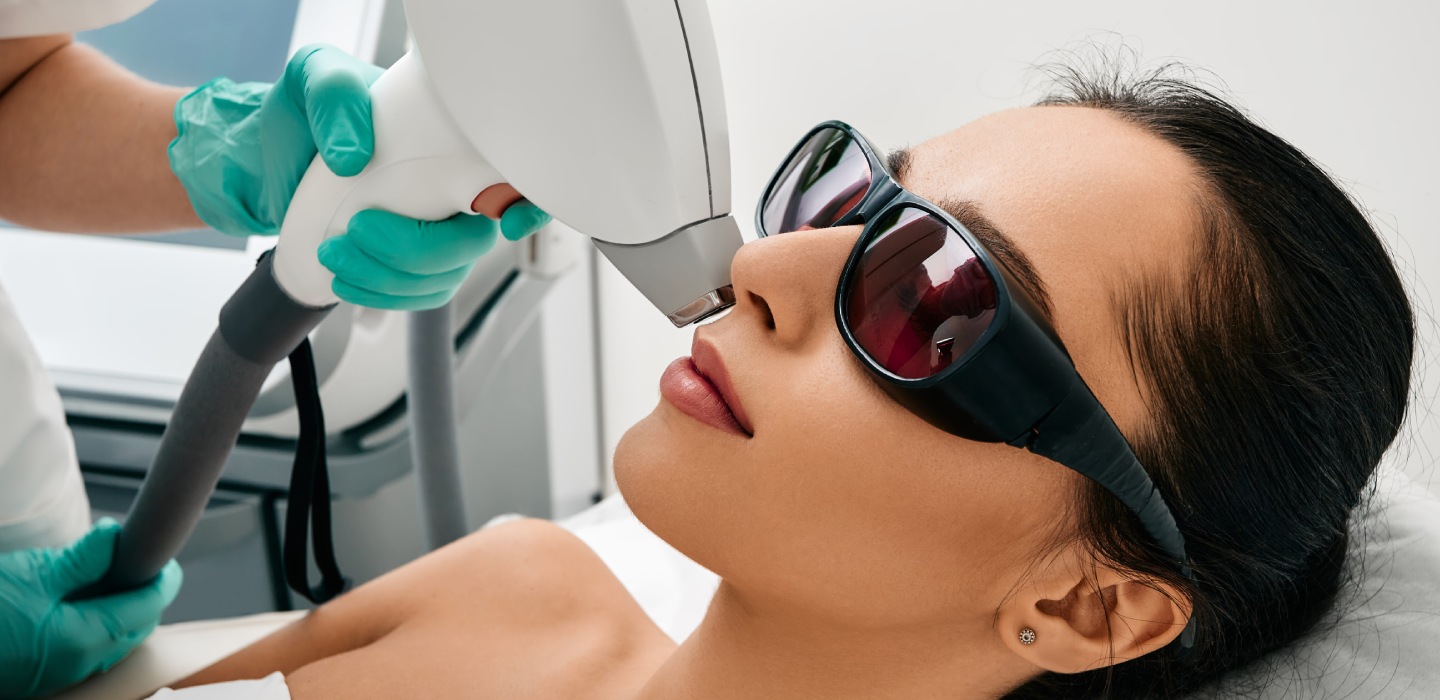
Best Laser Types for PCOS-Related Hair Removal
PCOS hair isn’t typical. It’s thicker, darker, and hormonally driven, which makes choosing the right laser crucial.
So which laser works best? There isn’t one universal answer. The best option depends on your skin tone, hair thickness, and pigmentation risk.
In this guide, we compare Alexandrite (755 nm), Diode (800–810 nm), and Nd:YAG (1064 nm). You’ll see which technology suits your skin and hormonal hair pattern best.
Understanding PCOS-Related Hair Growth
PCOS-related hair growth behaves differently from typical body hair. Because it is hormonally driven, it tends to be thicker, darker, and more persistent. Understanding this helps set realistic expectations before starting laser treatment.
The Role of Androgens in Hirsutism
PCOS-related hair growth is known as hirsutism. Elevated androgens stimulate follicles in androgen-sensitive areas.
Common areas include:
Chin
Upper lip
Jawline
Neck
Chest
Lower abdomen
The hair is usually:
Coarse
Dark
Deep-rooted
Fast growing
In hormonal cases, dormant follicles can reactivate over time. This is why laser planning must consider long-term management.
Common Treatment Areas in PCOS
In clinical practice, the most requested treatment areas are:
Chin and jawline
Upper lip
Sideburns
Neck
Lower abdomen
Facial hair is often the most emotionally distressing. That’s why careful technique and precision matter most in these areas.
How Laser Hair Removal Targets Hair Follicles
To choose the right laser for PCOS, it helps to understand how the technology works. All medical hair removal systems follow the same core principle, but their wavelengths determine safety and effectiveness.
The Principle of Selective Photothermolysis
Laser hair removal works through selective photothermolysis, meaning light energy selectively targets pigment in the hair.
In simple terms:
A specific wavelength targets melanin in the hair shaft.
The pigment absorbs the light energy.
Heat damages the follicle’s growth center.
Surrounding skin remains protected when settings are correct.
The main differences between lasers involve:
Wavelength
Depth of penetration
Melanin absorption rate
Safety across skin tones
These factors directly affect outcomes.
Why Wavelength and Skin Type Matter
Skin also contains melanin. The darker the skin, the more surface pigment is present.
If a laser absorbs too much surface melanin, it increases the risk of:
Burns
Hyperpigmentation
Post-inflammatory discoloration
This is why laser selection must always match skin tone. Proper pairing improves both safety and long-term results.
Alexandrite Laser (755 nm) for PCOS
The Alexandrite laser is known for its speed and strong pigment targeting. For the right skin type, it can deliver a fast and visible reduction in PCOS-related hair.
Ideal Skin Types (Fitzpatrick I–III)
Alexandrite operates at 755 nm, a wavelength with high melanin absorption.
It is most effective for:
Fair skin
Light to light-medium skin
Dark, coarse hair
If you have very fair skin and thick chin or jawline hair, Alexandrite can produce a strong early reduction.
Effectiveness on Coarse, Dark Hair
Because it aggressively targets pigment:
It works quickly
It treats larger areas efficiently
It often shows a noticeable reduction in fewer sessions
For lighter-skinned women with dense hormonal facial hair, results can be impressive.
Safety Profile and Limitations
There are important limitations:
Higher risk for medium to dark skin
Not ideal for Fitzpatrick IV–VI
Increased pigmentation risk if settings are too aggressive
In our clinic, we avoid Alexandrite for medium to deep skin tones to minimize complications.
Diode Laser (800–810 nm) for PCOS
The Diode laser is one of the most versatile technologies for PCOS-related hair removal. Its wavelength allows for effective follicle targeting while maintaining a good safety profile across multiple skin tones.
Suitable Skin Types (Fitzpatrick I–IV)
Diode lasers operate between 800–810 nm, slightly longer than Alexandrite. This allows deeper penetration into the follicle while reducing excessive surface melanin absorption.
It works well for:
Light skin
Light-medium skin
Some medium skin tones
This flexibility makes it a common choice in hormonal cases.
Performance on Thick Hormonal Hair
Many clinics prefer Diode for PCOS because it offers:
Balanced melanin absorption
A wider safety margin
Strong effectiveness on coarse, resistant hair
In my experience, it’s one of the most reliable options for hormonal facial hair.
For example, a patient with medium skin and jawline hair developed mild pigmentation after Alexandrite elsewhere. After switching to Diode with conservative settings, her reduction improved, and pigmentation risk decreased.
Safety Profile and Limitations
There are some trade-offs:
Slightly slower than Alexandrite
May require more sessions
Maintenance remains necessary in hormonal cases
For many women, however, Diode provides the best balance between safety and effectiveness.
Nd:YAG Laser (1064 nm) for PCOS
The Nd:YAG laser is often the safest choice for women with darker skin tones and PCOS-related hair growth. Its longer wavelength changes how it interacts with pigment, making it more suitable for higher melanin levels.
Ideal Skin Types (Fitzpatrick IV–VI)
It operates at 1064 nm, a longer wavelength that absorbs less melanin in the skin surface.
It is typically safest for:
Medium brown skin
Brown skin
Deep skin tones
Lower surface melanin absorption reduces the risk of burns and post-inflammatory hyperpigmentation.
Depth of Penetration and Follicle Targeting
Because the wavelength penetrates deeper into the skin:
It bypasses much of the epidermal pigment
It lowers the risk of surface damage
It effectively targets deeper, coarse follicles
For darker-skinned women with PCOS, this makes Nd:YAG a responsible and safer option.
Safety Profile and Limitations
There are trade-offs:
Slightly less efficient on very fine hair
May require more sessions
Visible reduction can appear slower at first
However, in deeper skin tones, prioritizing safety leads to better long-term outcomes.
Comparison of Alexandrite, Diode, and Nd:YAG Lasers
Each laser differs in wavelength, depth, and melanin absorption. These differences directly affect safety and effectiveness in women with PCOS. Understanding them helps you choose the most appropriate option for your skin and hair type.
Wavelength and Melanin Absorption
Laser Type | Wavelength | Melanin Absorption | Depth |
|---|---|---|---|
Alexandrite | 755 nm | High | Moderate |
Diode | 800–810 nm | Moderate | Moderate–Deep |
Nd:YAG | 1064 nm | Low | Deep |
Higher melanin absorption increases effectiveness on dark hair but also raises pigmentation risk in darker skin.
Skin Type Compatibility
Laser safety strongly depends on skin tone:
Alexandrite → Best for Fitzpatrick I–III
Diode → Suitable for I–IV
Nd:YAG → Safest for IV–VI
Proper skin typing reduces complication risk.
Effectiveness for Hormonal Hair
All three lasers can reduce PCOS-related hair when used correctly. However:
Lighter skin + dense hair → Alexandrite or Diode
Medium skin → Diode
Darker skin → Nd:YAG
Matching technology to skin tone improves outcomes.
Risk of Pigmentation Changes
Pigmentation risk varies by laser and skin tone:
Highest risk → Alexandrite on darker skin
Moderate risk → Diode if poorly calibrated
Lowest risk → Nd:YAG for deeper skin tones
Experienced providers minimize these risks through proper settings and testing.
Selecting the Appropriate Laser Based on Individual Factors
Choosing the right laser for PCOS is not one-size-fits-all. Skin tone, hair type, and hormonal stability all influence safety and results. A proper consultation ensures the treatment plan fits your biology.
Matching Laser Type to Skin Tone
Skin tone is the first and most important decision point. Darker skin contains more melanin, which affects laser safety. Proper Fitzpatrick classification during consultation helps determine whether Alexandrite, Diode, or Nd:YAG is most appropriate.
Considering Hair Thickness and Density
PCOS hair is often coarse and dark. That actually improves laser response because:
Thick, pigmented hair absorbs energy effectively
Reduction rates are higher than with fine hair
However, white, blonde, or grey hairs do not respond to laser treatment.
Evaluating Hormonal Stability and Maintenance Needs
Laser manages the symptom, not the hormonal cause of PCOS. Most women require:
8–12 sessions
Maintenance 1–3 times per year
Patients who control insulin resistance and androgen levels often experience more stable, long-term reduction.
Treatment Expectations for Women with PCOS
PCOS-related hair behaves differently from non-hormonal hair. Because androgens continue to stimulate follicles, treatment plans are usually longer and require an ongoing strategy.
Recommended Number of Sessions
Hormonal hair typically needs more sessions for visible reduction. In most cases:
Sessions are spaced every 4–6 weeks
8–12 sessions are common
More sessions are needed than in non-hormonal cases
Consistency improves long-term results.
Long-Term Maintenance Requirements
PCOS can reactivate dormant follicles over time. Maintenance sessions are normal, especially if hormone levels fluctuate.
I always explain this clearly: laser reduces the burden significantly, but it does not cure the hormonal cause. Setting realistic expectations prevents frustration later.
Safety Considerations and Medical Screening
Before starting laser hair removal for PCOS, safety comes first. A proper medical review helps prevent burns, pigmentation changes, and poor outcomes.
Contraindications and Medication Review
Certain medications and skin conditions can increase the risk during laser treatment. We carefully review:
Isotretinoin use (past or current)
Photosensitizing medications
Active skin infections
History of keloid scarring
Pigmentation disorders
These factors affect healing, inflammation risk, and post-treatment skin response.
Patch Testing and Provider Experience
Patch testing allows us to observe how your skin reacts before full treatment. It is especially important for:
Medium to deep skin tones
Hormonal facial hair
Sensitive areas like the neck
Final Thoughts from Us
Managing PCOS hair can feel draining, especially when nothing seems to last. The best laser is the one carefully matched to your skin tone and hair type.
At our clinic, we focus on accurate skin assessment, safe settings, long-term planning, and realistic expectations. Laser can significantly reduce hormonal hair, but proper evaluation is key.
If you’re unsure which option is right for you, book a consultation with us. We’ll assess your skin and create a plan tailored to you, safely and honestly.
Frequently Asked Questions
Which laser type is most effective for facial hirsutism?
For fair to light skin, Alexandrite or Diode lasers are usually most effective because they target dark, coarse hair efficiently. For medium to deep skin tones, Nd:YAG is safer and still effective for thick, hormonal facial hair.
Is laser hair removal safe for darker skin with PCOS?
Yes, laser hair removal can be safe for darker skin when using Nd:YAG technology and conservative settings. Proper skin assessment, patch testing, and experienced providers significantly reduce the risk of burns or post-inflammatory hyperpigmentation.
Can PCOS cause regrowth after laser treatment?
Yes. Because PCOS is hormonally driven, elevated androgens can stimulate dormant follicles over time. Laser reduces the number of active follicles, but maintenance sessions are common, especially if hormonal levels remain unstable.
When is electrolysis more appropriate than laser?
Electrolysis is more appropriate for white, grey, or very fine hairs that lasers cannot target. It is also ideal for small, isolated areas or for patients seeking permanent, follicle-by-follicle destruction rather than broader hair reduction.
Related Articles