

Hormonal Imbalance and Laser Hair Removal: What You Need to Know
You complete your laser sessions, enjoy smooth skin, and then months later, new hairs appear. It’s frustrating. Often, hormones are the reason.
Here’s the clear answer: laser hair removal still works with hormonal imbalance, but ongoing hormonal stimulation can affect how much reduction you see and how often you’ll need maintenance.
If you’re dealing with PCOS, thyroid changes, postpartum shifts, or menopause-related hair growth, this guide will explain what’s realistic and how to plan for long-term results.
How Laser Hair Removal Works
Before we talk about hormones, it helps to understand how laser actually reduce hair.
Hair Growth Cycles and Laser Targeting
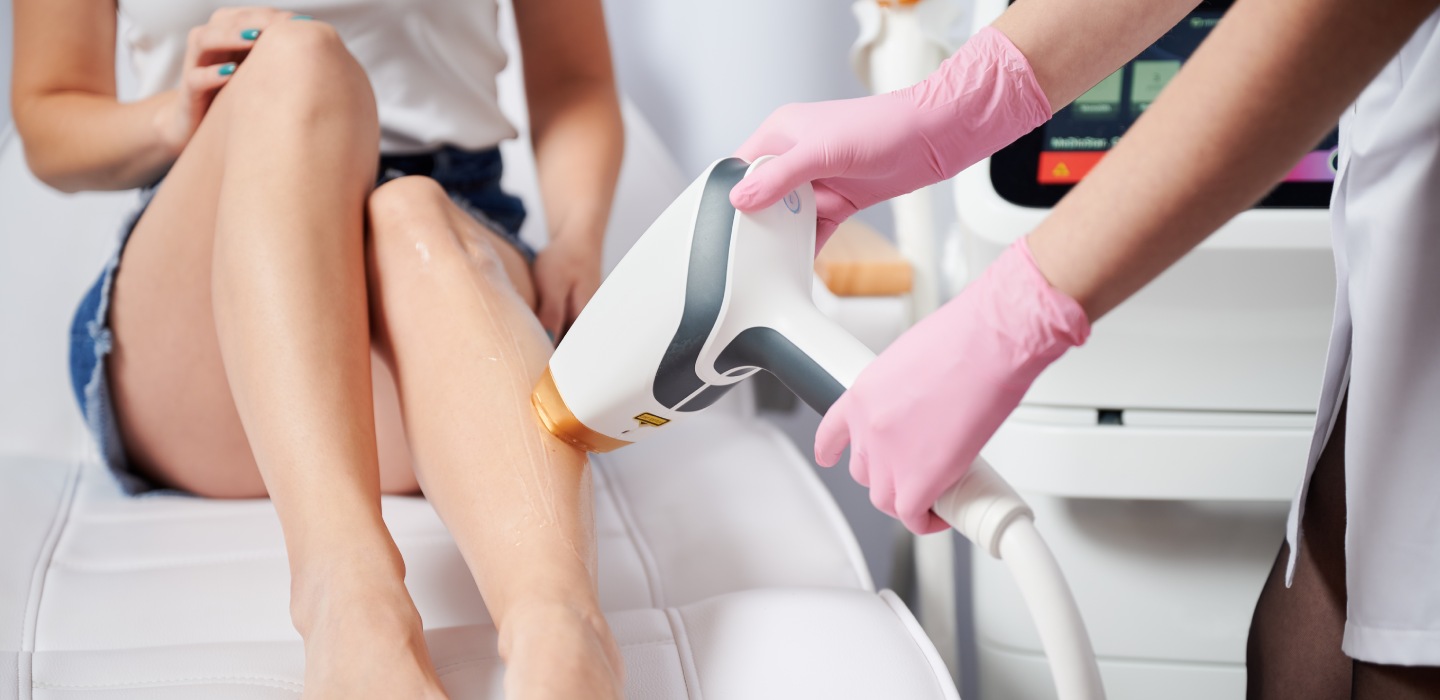
Laser hair removal works through a process called selective photothermolysis. A specific wavelength targets melanin in the hair shaft. The heat travels down and damages the follicle responsible for growth.
Hair grows in cycles:
Anagen (active growth phase) – this is when laser is effective
Catagen (transition phase)
Telogen (resting phase)
Only hairs in the active growth phase respond well. Since not all hairs are in that phase at the same time, multiple sessions are necessary to catch each follicle during its growth cycle.
Why Multiple Sessions Are Required
Most clients typically need:
6–8 sessions for common body areas
8–12 sessions for hormonally sensitive areas like the chin and jawline
Treatment is usually spaced:
Every 4–6 weeks for the face
Every 6–8 weeks for the body
When hormones are involved, patience and consistency become even more important.
Understanding Hormonal Imbalance and Excess Hair
Not all unwanted hair follows the same pattern. Hormonal hair tends to be thicker, darker, and faster growing. It also concentrates on specific areas.
Androgens and Hirsutism
Androgens, including testosterone, usually drive excess hair related to hormones.
When androgen levels are elevated, or follicles are more sensitive to them, hair growth increases in areas such as:
Chin
Upper lip
Jawline
Neck
Chest
Lower abdomen
This pattern is known as hirsutism.
Hormonal hair growth is common, especially in women with conditions like PCOS or during major life stages such as menopause.
Medical Conditions Linked to Hormonal Hair Growth
Hormonal imbalance may be associated with:
PCOS
Thyroid disorders
Menopause
Pregnancy and postpartum changes
Certain medications, including steroids and hormonal therapies
In the clinic, one of the most common things I hear is, “It grows back by evening.” Rapid regrowth, especially on the face, is often a strong sign that hormones are influencing the pattern.
How Hormones Influence Laser Hair Removal Results
This is where many people get confused. Laser works on hair follicles. Hormones influence those follicles. When both are active, results require a longer view.
Ongoing Follicle Activation
Laser damages active follicles during treatment. It does not alter hormone production.
Because of that, hormones can:
Activate previously dormant follicles
Stimulate new coarse hairs
Cause regrowth months or even years later
When this happens, it does not mean treatment failed. It means your body is still responding to internal hormonal signals.
Treatment Resistance in Hormonal Areas
Some areas are more hormonally sensitive, including:
Chin
Jawline
Neck
These zones respond well to laser but often require more sessions and ongoing maintenance.
In clinical practice, I consistently see legs and underarms hold results longer, while facial areas need closer monitoring in clients with hormonal imbalance.
What Results to Expect Long Term
Understanding the terminology helps prevent disappointment later. Laser works very well, but expectations must match biology.
Permanent Reduction vs. Hormonal Stimulation
Laser hair removal is classified as permanent hair reduction, not permanent removal.
In practical terms, this means:
Treated follicles are significantly damaged
Hair grows back finer and lighter
Overall density decreases substantially
However, if hormones stimulate dormant or untreated follicles, new hairs can appear over time.
Laser reduces the burden of hair growth. It does not eliminate the hormonal trigger behind it.
Maintenance Requirements
For clients with hormonal imbalance, maintenance typically includes:
1–2 facial sessions per year
Occasional body touch-ups if needed
When this is discussed clearly from the beginning, clients feel prepared and confident. Clear expectations prevent frustration and lead to better long-term satisfaction.
Treatment Planning for Hormonal Hair Growth
Hormonal hair is not treated with a one-size-fits-all protocol. It requires a structured plan that accounts for ongoing follicle stimulation and realistic timelines.
Session Frequency and Total Number of Treatments
With hormonal hair, you may need:
8–12 total sessions instead of the typical 6–8
Strict adherence to treatment intervals
Facial areas often require closer monitoring. Skipping sessions disrupts the growth cycle, slows reduction, and can increase overall cost.
We track density changes at each visit and adjust settings or spacing when needed to maintain progress.
Coordinating with Medical Management
Laser outcomes are often more stable when underlying hormones are addressed.
If you suspect PCOS or thyroid imbalance, we recommend:
Consulting your GP or endocrinologist
Running appropriate hormone testing
Managing the root cause alongside laser treatment
When hormone levels are better regulated, regrowth patterns often become slower and more predictable, making maintenance easier long-term.
Hormonal Changes Over Time
Hormones are not static. Even if you do not have a diagnosed condition, normal life stages can influence hair growth and laser results. This is why long-term planning matters.
Puberty, Pregnancy, and Menopause
Hormonal fluctuations commonly occur during:
Puberty
Pregnancy
Postpartum
Perimenopause
Menopause
These shifts can stimulate androgen-sensitive follicles.
For example:
Some women develop new chin or upper lip hair during menopause.
Others notice thicker lower abdominal hair after pregnancy.
In these cases, previously dormant follicles can become active, even after successful laser treatments.
Medication-Related Hair Changes
Certain medications may increase hair growth, including:
Testosterone therapy
Anabolic steroids
Some hormonal treatments
If sudden or unusual regrowth appears, reviewing your medical history and current medications is an important first step before adjusting your laser plan.
Who Is an Appropriate Candidate?
A hormonal imbalance does not automatically disqualify you from laser hair removal. In fact, many of our clients with PCOS, thyroid conditions, or menopause-related hair growth see a meaningful reduction. The key is proper assessment and realistic expectations.
Indicators of a Hormonal Component
Your hair growth may have a hormonal driver if you notice:
Rapid regrowth, especially on the face
Coarse, dark facial hair on the chin or jawline
Irregular periods
Acne combined with excess hair growth
If this sounds familiar, you are not a “bad candidate.” You likely need a structured, long-term plan.
When to Proceed or Delay Treatment
We may recommend delaying treatment if:
Hormone levels are severely unstable
You are newly postpartum
You are adjusting hormonal medications
Otherwise, laser treatment can proceed safely, with a plan tailored to your hormonal pattern and maintenance needs.
Our Practical Tips for Better Hormonal Laser Results
Hormonal hair behaves differently, so your strategy should, too. Over the years, we’ve treated many clients with PCOS, thyroid imbalance, and menopause-related hair growth. The biggest difference between frustration and success usually comes down to planning.
From our clinical experience, these steps make a real impact:
Set realistic expectations early. Aim for strong reduction and control, not lifelong perfection.
Stay consistent with appointments. Delays disrupt the hair cycle and slow progress.
Address underlying hormonal health. Work with your GP or specialist when needed.
Plan for maintenance from the beginning. Facial areas often need 1–2 touch-ups per year.
Choose experienced providers familiar with hormonal patterns. Proper assessment and settings matter.
Hormonal hair is not a treatment failure. It is a biological pattern that responds best to structured, long-term management.
Conclusion: Managing Hormonal Hair with a Long-Term Strategy
If you’re researching this, you’re likely tired of constant shaving or tweezing.
Laser can:
Reduce density
Slow regrowth
Soften texture
Lower daily maintenance
With hormonal hair, maintenance is expected. The goal is control, not perfection.
If you’re unsure whether hormones are influencing your results, book a consultation. We’ll assess your pattern and create a plan that works with your biology.
Related Articles