

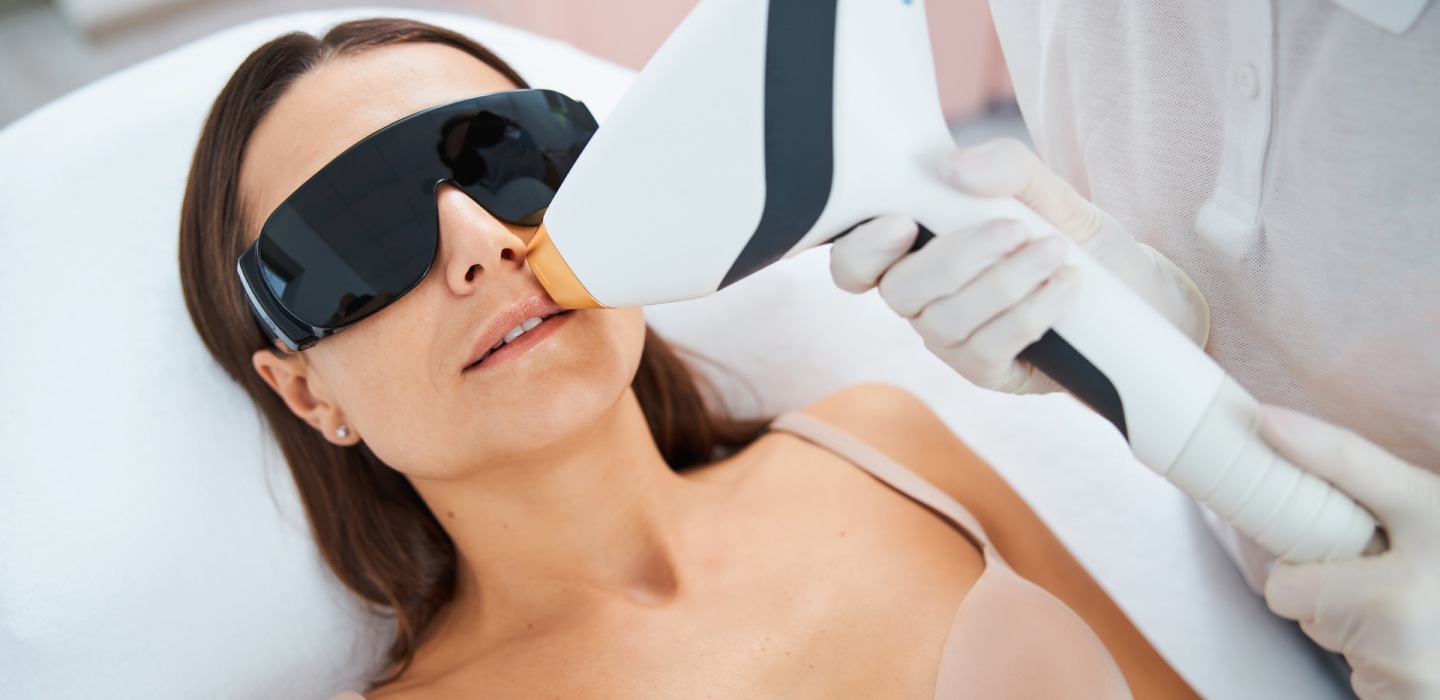
Laser Hair Removal for PCOS: Face vs. Body Treatments
If you have PCOS, unwanted hair is not just cosmetic. It affects your routine and confidence.
Here’s the clear answer: laser hair removal works for PCOS on both the face and body, but the approach and results differ. Facial areas are more hormonally sensitive, while body areas often respond faster.
In this guide, you’ll learn the key differences in treatment, sensitivity, outcomes, and what to realistically expect long-term.
Why PCOS Hair Behaves Differently
PCOS-related hair is hormonally driven, not typical body hair. Elevated androgens stimulate follicles in areas like the chin, jawline, chest, and abdomen, causing thicker and faster regrowth. Understanding this helps you approach treatment with realistic expectations.
The Role of Androgens in Hirsutism
Women naturally produce small amounts of androgens. In PCOS, those levels are elevated. Androgens stimulate hair follicles in androgen-sensitive areas, including:
Chin
Upper lip
Jawline
Neck
Chest
Lower abdomen
This results in hair that is:
Thicker
Darker
Faster growing
Why Hormonal Hair Requires a Strategic Plan
Laser treats existing follicles. Hormones can activate new ones over time.
That is why PCOS treatment requires:
A structured treatment schedule
Proper laser selection
Realistic expectations
Planned maintenance sessions
With PCOS, we focus on long-term control, not perfection.
Facial Laser Hair Removal for PCOS
Facial hair is often the most distressing part of PCOS because it’s visible and grows quickly. It can affect confidence in subtle but constant ways. Laser can significantly reduce it, but facial areas require a careful and structured approach.
Common Facial Treatment Areas
We commonly treat:
Chin
Upper lip
Jawline
Neck
Sideburns
These areas are highly sensitive to androgen stimulation, which is why regrowth can be persistent.
Sensitivity and Skin Considerations
Facial skin is:
Thinner
More reactive
Higher in nerve density
More prone to pigment changes
Because of this, facial treatments require:
Conservative laser settings
Strong cooling systems
Experienced providers
Patients with medium to darker skin tones have a higher risk of post-inflammatory hyperpigmentation, so energy levels must be adjusted carefully.
Treatment Approach for the Face
Facial treatments typically involve:
Smaller spot sizes
Precision targeting
Sessions every 4–6 weeks
More total sessions than body areas
Many PCOS patients require:
Initial series: 6–10 sessions
Maintenance: 1–2 sessions per year
This is normal for hormonally active facial areas.
Expected Outcomes for Facial Hair
With consistent treatment, most patients experience:
Noticeable thinning
Slower regrowth
Reduced shadowing
Fewer ingrown hairs
Less frequent shaving
Will it remove every hair permanently? No.
But many of my patients go from shaving daily to shaving once every few weeks. That change alone can dramatically improve daily confidence and comfort.
Body Laser Hair Removal for PCOS
In many PCOS patients, body hair responds more strongly than facial hair. The reason is simple. Body skin is thicker, and the hair is often coarser. Both factors improve laser efficiency.
Common Body Treatment Areas
We commonly treat:
Chest
Lower abdomen
Back
Arms
Thighs
These areas are less hormonally reactive than the face, which supports better long-term reduction.
Differences in Sensitivity
Compared to facial skin, body skin is:
Thicker
Less reactive
Lower in nerve density
This allows:
Higher energy settings
Larger spot sizes
Faster sessions
Most patients tolerate body treatments very well.
Treatment Approach for the Body
Body treatments typically involve:
Larger spot sizes
Sessions spaced 6–8 weeks apart
Fewer maintenance sessions over time
Because body hair is often coarser and darker, it absorbs laser energy efficiently. That works in your favor.
Expected Outcomes for Body Hair
Most PCOS patients see:
Strong density reduction
Faster visible improvement
Higher long-term clearance compared to facial areas
Quick Comparison – Face vs. Body in PCOS
Understanding the differences between facial and body treatments helps you set realistic expectations from the start. PCOS-related hair does not behave the same way in every area, so treatment plans must adjust accordingly.
Factor | Facial Hair | Body Hair |
|---|---|---|
Sensitivity | Higher due to thinner, more reactive skin | Moderate with thicker skin |
Session Frequency | Every 4–6 weeks | Every 6–8 weeks |
Hormonal Influence | Strong and ongoing | Moderate |
Maintenance Need | More likely required | Less frequent |
Response Speed | Slower improvement | Faster visible reduction |
Energy Settings | More conservative | Often higher settings tolerated |
Facial areas are more hormonally sensitive and require careful, precise treatment. Body areas often allow stronger settings and tend to show quicker density reduction.
Does One Area Respond Better?
In most cases, yes. Body areas often respond faster and more dramatically than facial areas in PCOS patients. The difference comes down to hair structure and hormonal sensitivity.
Why Body Hair Often Responds Faster
Body hair tends to respond well because:
Coarser follicles absorb laser energy more effectively
Less constant hormonal reactivation compared to the face
Larger follicle structure, which is easier to target
This often leads to quicker visible thinning and stronger long-term reduction.
Why Facial Hair Requires Patience
Facial hair behaves differently due to:
Ongoing androgen stimulation
New follicle activation over time
Higher precision requirements on thinner skin
Facial PCOS hair is long-term management. Body PCOS hair usually shows faster reduction.
Choosing the Right Laser Technology
Laser selection plays a major role in both safety and results. PCOS hair is often thicker and hormonally stimulated, so the device and settings must match your skin type and hair characteristics.
Common Laser Systems Used
Most clinics use one of the following:
Alexandrite (755 nm) – Ideal for lighter skin tones with dark hair
Diode (800–810 nm) – Versatile and suitable for a range of skin types
Nd:YAG (1064 nm) – Safer for medium to darker skin tones
For patients with deeper skin tones, longer wavelengths are often preferred because they target the follicle while minimizing heat concentration in the surface pigment. This improves safety and reduces the risk of unwanted pigmentation changes.
Why Personalization Matters in PCOS
We customize every treatment plan based on:
Your skin type
Hair thickness and density
Treatment area (face vs body)
Hormonal background
There is no universal laser for PCOS. The safest and most effective approach is always individualized.
Setting Realistic Expectations with PCOS
When you have PCOS, expectations matter. Laser hair removal is powerful, but it is not a hormonal treatment. Understanding what it can and cannot do helps prevent frustration later.
What Laser Hair Removal Does Not Do
Laser hair removal does not:
Cure PCOS
Lower androgen levels
Stop hormonal fluctuations
Prevent new follicles from being activated over time
It treats hair at the follicle level. It does not change your internal hormone balance.
What Laser Hair Removal Can Do
Laser hair removal can:
Destroy treated follicles
Reduce overall hair density
Slow regrowth significantly
Improve skin texture by reducing ingrowns and irritation
The right mindset is this: laser is long-term hair management, not a hormonal solution. When you approach it that way, satisfaction is much higher.
Who Is a Good Candidate?
Laser hair removal works best when the right hair and skin factors are present. Because the laser targets pigment in the hair follicle, certain characteristics respond better than others.
You are likely a good candidate if you have:
Dark, coarse hair, which absorbs laser energy more effectively
Realistic expectations, especially if you have PCOS, and understand that maintenance may be needed
Stable hormonal management, since ongoing fluctuations can trigger new follicles
Healthy skin without active infections, irritation, or open wounds
Laser does not work well on:
Grey hair, which lacks pigment
Very light blonde hair, which has minimal melanin
Very fine vellus hair, often called “peach fuzz”
A proper consultation helps determine if laser is the right solution for your specific hair pattern and goals.
Tips From Our Clinic
Treating PCOS-related hair isn’t a one-size-fits-all process. Because hormones continue to influence hair growth, we take a structured and cautious approach from day one.
When we treat PCOS patients, we always:
Start conservatively on facial areas to reduce the risk of irritation or pigmentation, especially on thinner skin.
Monitor skin response closely after each session to ensure healing is smooth and settings remain appropriate.
Adjust settings gradually as your skin tolerates treatment, rather than using aggressive energy too early.
Plan maintenance from the beginning, so you understand that long-term control is part of the strategy.
Coordinate with other medical care when needed, especially if you are working with an endocrinologist for hormonal management.
Your plan should feel structured, intentional, and tailored to you. Not rushed or generic.
Final Takeaway – Face vs. Body Treatments Require Different Strategies
Laser hair removal for PCOS works, but the approach is different.
The face requires patience and regular maintenance.
The body often responds faster and more noticeably.
Hormonal stimulation means long-term planning is essential.
If you’re managing PCOS, you’re not being dramatic. You’re dealing with real hormonal hair growth.
With the right plan, you can move from daily removal to controlled maintenance. If you’re ready to take the next step, book a consultation with us. We’ll assess your skin, hair pattern, and goals and create a treatment plan that fits you.
Related Articles