

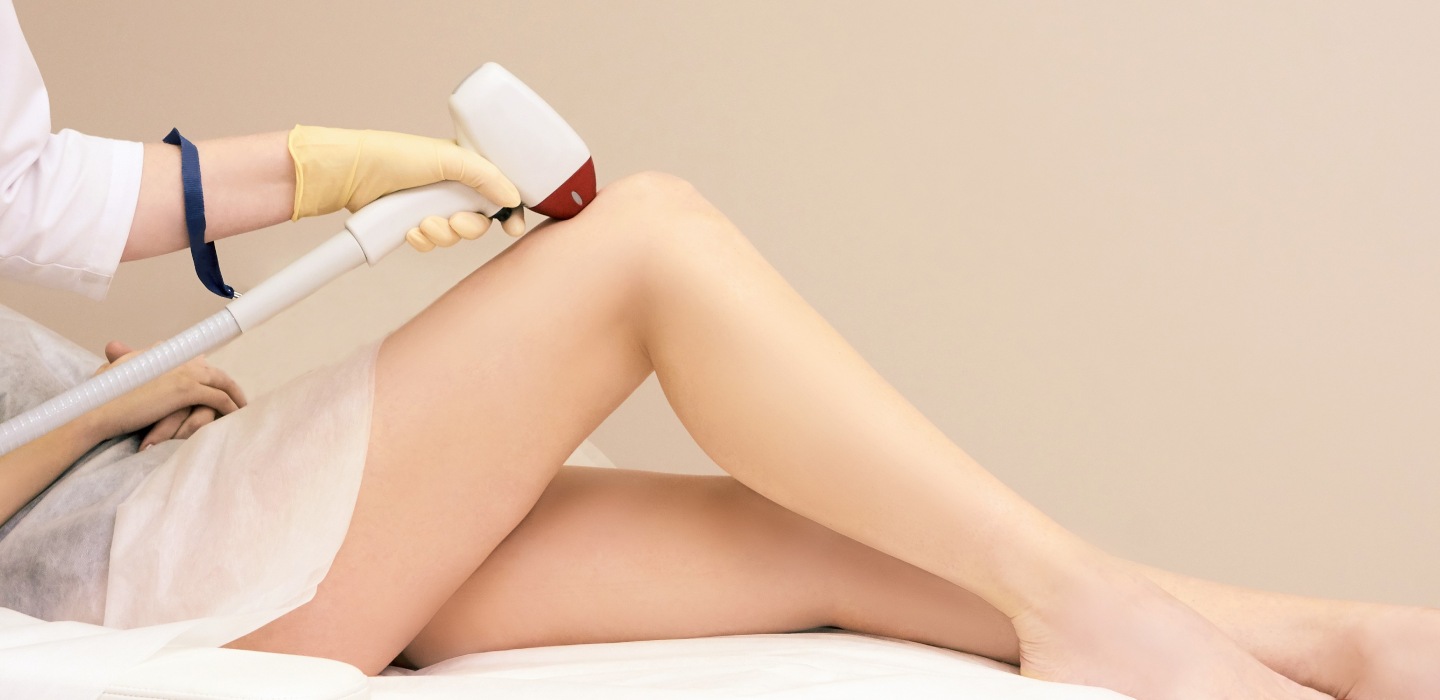
Is Laser Hair Removal Safe for Women with PCOS?
If you’re dealing with stubborn facial or body hair because of PCOS, you’re not being “dramatic.” You’re dealing with hormones. Let’s answer this clearly:
Yes, laser hair removal is generally safe for women with PCOS. It does not affect your ovaries or hormone levels. However, results may require more sessions and long-term maintenance. If you’re researching this because you’re tired of daily shaving or constant waxing, this guide is for you.
Understanding Polycystic Ovary Syndrome and Excess Hair Growth
To understand why laser is often recommended for PCOS, you first need to understand what causes the excess hair.
What Is Polycystic Ovary Syndrome?
Polycystic Ovary Syndrome (PCOS) is a common hormonal condition affecting 10–13% of women of reproductive age, according to the World Health Organization.
Common features include:
Elevated androgens (male-type hormones)
Irregular periods
Acne
Weight gain
Ovarian cysts
Excess hair growth (hirsutism)
Studies show that up to 70–80% of women with PCOS experience hirsutism. This is one of the most common and distressing symptoms.
How PCOS Leads to Hirsutism
Higher androgen levels stimulate hair follicles in areas such as:
Chin
Upper lip
Jawline
Chest
Lower abdomen
These hairs are often:
Thicker
Darker
Faster growing
Because the growth is hormonally driven, it can feel persistent. As one patient told me, “It grows back by evening.” That’s the nature of androgen-stimulated hair.
How Laser Hair Removal Works
Before discussing safety and effectiveness, it helps to understand the science. Laser hair removal targets the hair follicle directly. It does not affect hormones or internal organs.
Targeting the Hair Follicle with Light Energy
Laser hair removal uses concentrated light that targets melanin (pigment) in the hair.
The process is simple:
Light energy is absorbed by the pigment.
Heat damages the follicle.
The follicle loses its ability to grow thick hair.
This mechanism is called selective photothermolysis.
Key facts:
The laser penetrates only a few millimeters into the skin.
It does not enter the bloodstream.
It does not reach the ovaries or internal organs.
It does not alter hormone levels.
It treats the follicle locally. Nothing more.
Permanent Reduction vs Permanent Removal
Laser hair removal provides permanent hair reduction, not guaranteed permanent removal.
The U.S. FDA classifies laser as a permanent reduction because:
Treated follicles can be permanently disabled.
New follicles may activate later.
With PCOS, this distinction matters. Hormonal fluctuations can stimulate new hair growth, even after successful treatment.
Safety of Laser Hair Removal for Women with PCOS
This is usually the biggest concern. If you have PCOS, you want to be sure you’re not making your hormonal condition worse. The reassuring news is that laser hair removal works at the skin level only. It does not interfere with your endocrine system.
Does Laser Treatment Affect Hormones or Ovaries?
No.
Laser hair removal:
Does not change androgen levels.
Does not impact ovarian function.
Does not worsen PCOS symptoms.
The laser penetrates only a few millimeters into the skin. It does not reach internal organs. It treats the hair follicle, not your hormones. Think of it as managing the visible symptom, not altering the underlying condition.
General Side Effects and Risk Profile
When performed by trained professionals, laser hair removal has a strong safety record.
Common temporary effects include:
Mild redness
Slight swelling
A warm or sunburn-like sensation
These typically resolve within 24–48 hours.
Rare complications may include:
Post-inflammatory hyperpigmentation (more common in darker skin types)
Blistering from improper settings
Paradoxical hypertrichosis (reported in less than 1–3% of certain groups)
In my experience, complications are usually linked to incorrect settings or unqualified providers, not PCOS itself.
Rare but Possible Complications
PCOS does not increase your risk of laser complications. The more relevant issue is hormonal stimulation, which may activate new follicles over time.
That’s why we frame laser as long-term hair reduction with maintenance, not a one-time fix. Proper planning keeps it both safe and effective.
Effectiveness of Laser Hair Removal for PCOS-Related Hair
Is it effective? Yes. But expectations matter. Laser significantly reduces hormonally driven hair, yet PCOS is an ongoing condition. The goal is long-term reduction and manageability, not a permanent hormonal cure.
How Hormonal Hair Responds to Laser
The good news:
PCOS hair is often thick and dark.
Thick, dark hair responds well to laser energy.
The challenge:
Hormones can activate dormant follicles over time.
This means treated hairs are often permanently reduced, but new hairs may develop if androgen levels fluctuate. Laser improves control, even if it cannot stop hormonal stimulation completely.
Treatment Timeline and Number of Sessions
Typical patients without PCOS need:
6–8 sessions spaced 4–6 weeks apart.
Women with PCOS often need:
8–12 initial sessions.
Maintenance every 6–12 months.
Because hair cycles are influenced by hormones, consistency is critical. In our clinic, we discuss this early so you understand the long-term plan before starting.
Long-Term Results and Maintenance Needs
Most women with PCOS see:
70–90% reduction in hair density.
Slower regrowth.
Finer, softer remaining hair.
Medical and Treatment Considerations for PCOS Patients
Strategy improves results. With PCOS, laser hair removal works best when we approach it as part of a broader plan, not a standalone fix. Hormones, medications, and skin type all influence outcomes. Addressing these factors upfront leads to safer treatments and more predictable, long-term reduction.
Role of Hormonal Management
Laser works best when hormones are relatively stable. If androgen levels are uncontrolled, new follicles may continue to activate.
Many patients combine laser with:
Oral contraceptives
Anti-androgens like spironolactone
Weight management
Lifestyle adjustments
Medical management plus laser improves long-term stability and reduces the frequency of maintenance sessions.
Medications That May Influence Results
Certain medications can affect skin sensitivity or healing. Always disclose:
Hormonal medications
Isotretinoin (requires a waiting period)
Photosensitizing drugs
These may increase irritation or pigmentation risk. We conduct a full consultation and review your medical history carefully before starting treatment.
Choosing the Right Laser for Your Skin Type
Skin type significantly affects safety. Using the wrong laser increases the risk of burns or pigmentation changes.
Darker skin tones often benefit from:
Nd: YAG laser systems, which penetrate deeper and are safer for higher melanin levels
Proper assessment ensures the correct wavelength and settings are used for your specific skin type.
When Laser Hair Removal May Not Be Recommended
While laser hair removal is safe for most women with PCOS, there are situations where treatment should be delayed or reconsidered.
Laser may be postponed if you:
Are pregnant – There is no strong evidence of harm, but most providers take a precautionary approach and wait until after pregnancy.
Have active skin infections or open wounds – Treating compromised skin increases irritation and healing risks.
Have very light, grey, white, or red hair – Laser targets melanin (pigment). Without sufficient pigment, the laser cannot effectively damage the follicle.
In these cases, we assess alternatives and create a safer, more suitable plan for you.
Final Verdict: Is It Safe and Effective for Women with PCOS?
Yes. Laser hair removal is safe for women with PCOS and effectively reduces hormonally driven hair.
Expect more sessions and maintenance.
If you’re exhausted from constant hair removal, we understand. Start with a proper consultation, discuss your hormones, and commit to a long-term plan. With the right approach, laser can make daily life much easier.
Frequently Asked Questions
Can Laser Hair Removal Worsen PCOS?
No. Laser hair removal does not affect hormone production, ovarian function, or the underlying hormonal imbalance of PCOS. It only targets hair follicles in the skin. It treats the symptom (excess hair), not the condition itself.
Will Hair Return If Hormones Change?
Yes, new hair can develop if androgen levels increase or fluctuate. Laser permanently reduces treated follicles, but it cannot prevent new hormonally stimulated follicles from activating. This is why some women with PCOS benefit from periodic maintenance sessions.
Is Electrolysis a Better Option for PCOS?
Electrolysis is FDA-recognized for permanent hair removal and destroys each follicle individually. It is slower and more time-intensive than a laser. Many patients use a laser for bulk reduction, then electrolysis for small, stubborn hairs that remain.
How Early Can Someone with PCOS Start Treatment?
Laser treatment can begin once hair growth patterns are established and a proper medical evaluation has been done. It’s important to understand expectations early. Stable hormone management improves long-term results and reduces the need for frequent maintenance.
Related Articles